Feeds:
Posts
Comments

Archive for January, 2024

If you read this blog, you may, or may not, be able to tell that I’m fascinated by science. Especially the application of science and what kind of experiments I can do to experience this application. This fascination is the reason I love bird-watching and brewing beer, etc. 

One of those applications I really like is how we try to understand our world and solar system. For instance, man has tracked the the changing seasons for countless years–and they use mathematical principles and precise observations to track them. 

I’m talking about he Winter and Summer Solstices and the Fall (Autumnal) and Spring (Vernal) Equinoxes. The Solstices mark the shortest and longest days of the year, while the equinoxes mark those times exactly in-between the solstices–meaning day/night are roughly the same length, and the sun rises directly in the West on these dates. Here’s a chart from Equinox World for reference.

What my wife and I decided to do was to figure out a place in our yard where we could track these changes each year — just for the experience of observation. Two and a half years ago we put up a fence with a gate that afforded us the perfect opportunity for tracking this! 

The way we installed the gate allowed us to see the shadow cast by the post from the sun on the appropriate days and at the right time. Here’s a picture of it as an example:
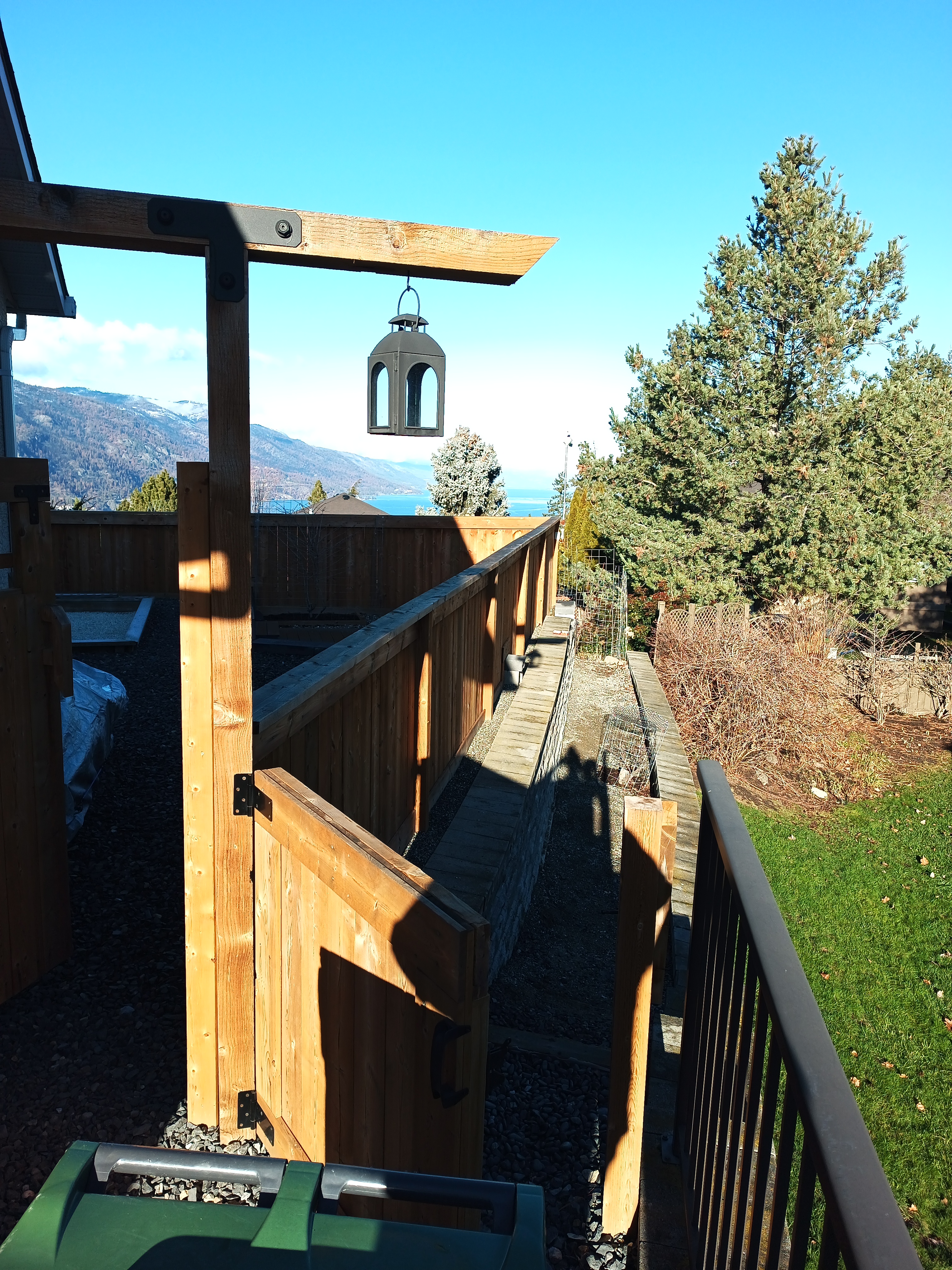
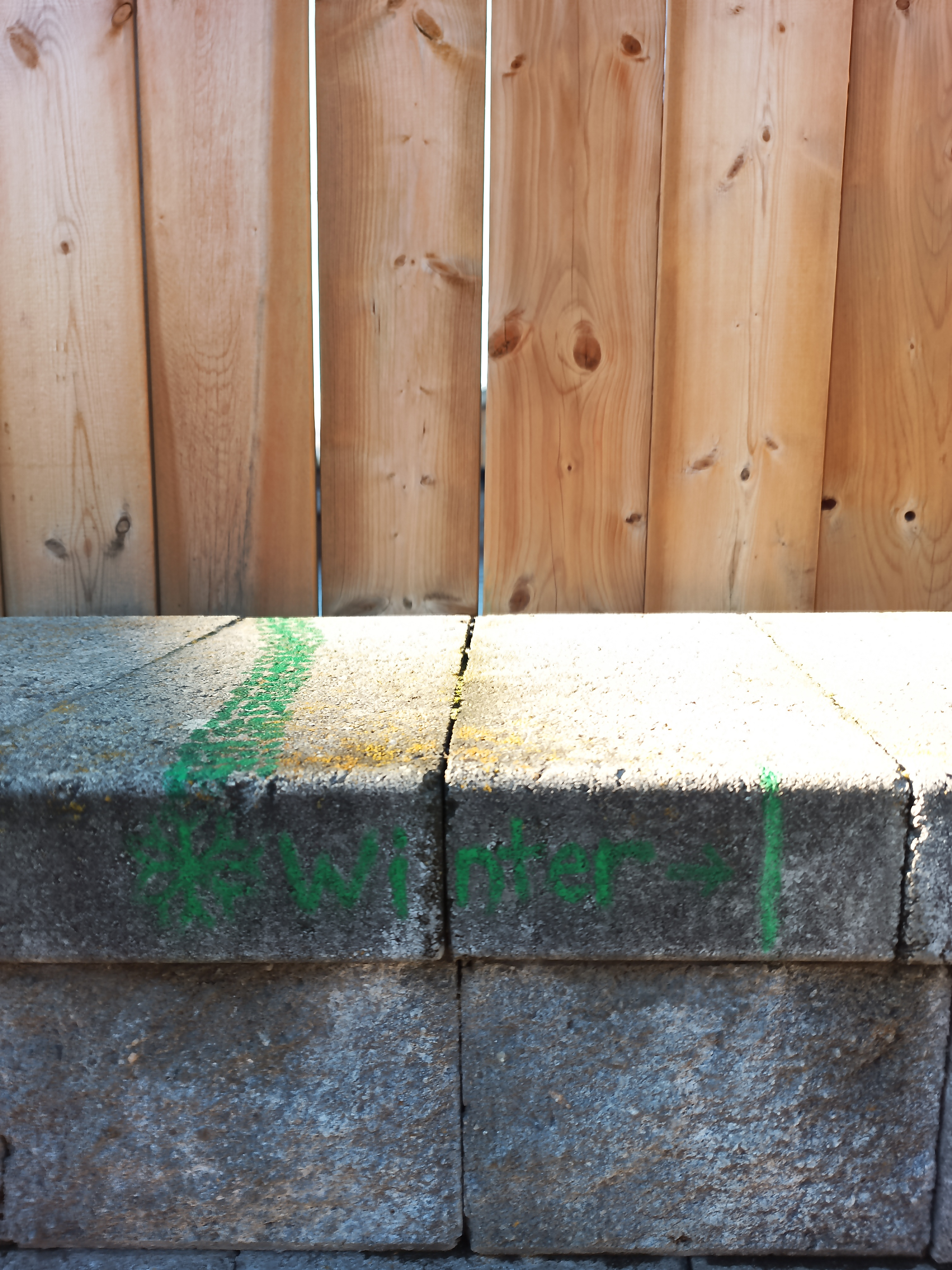
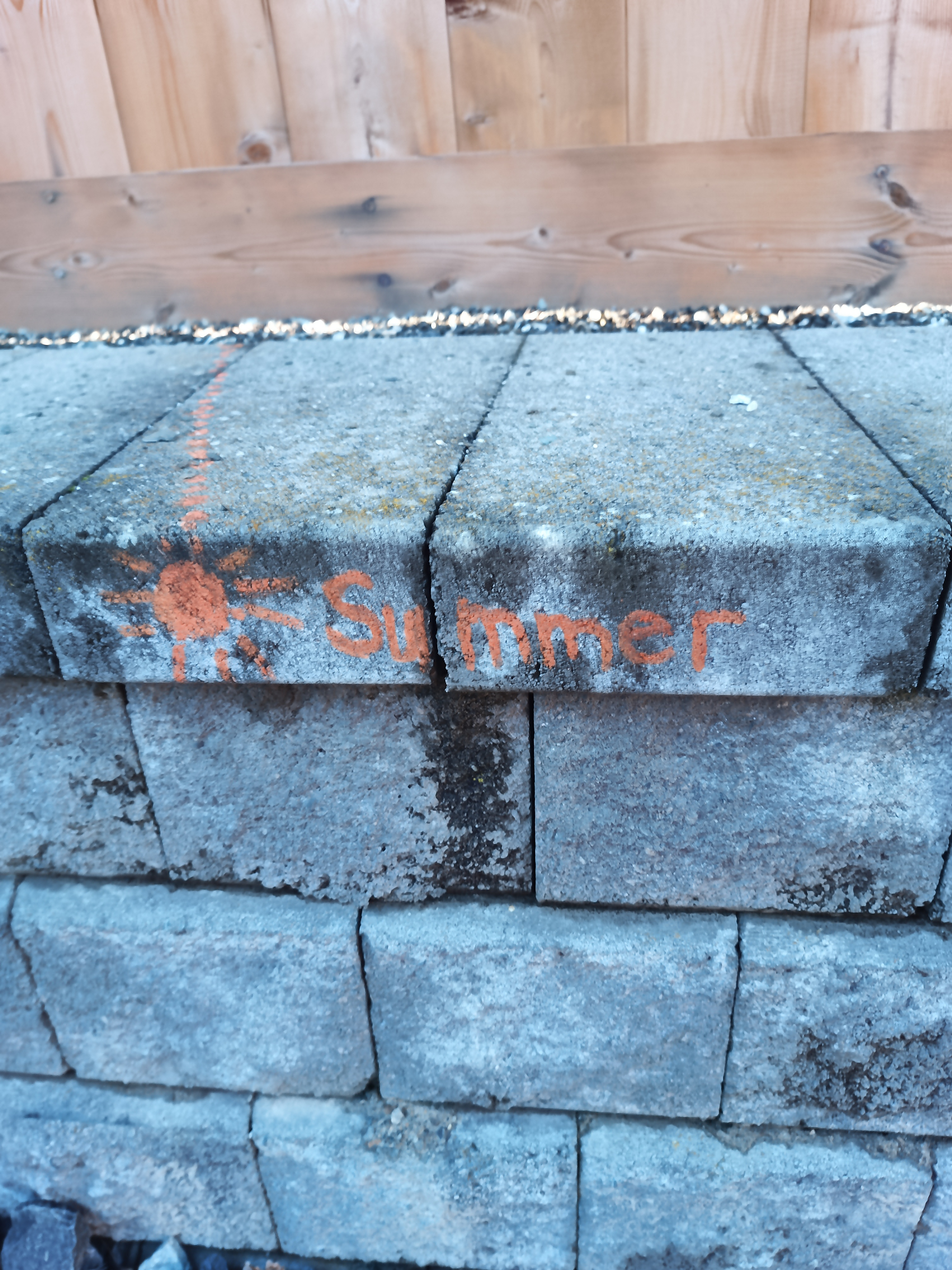
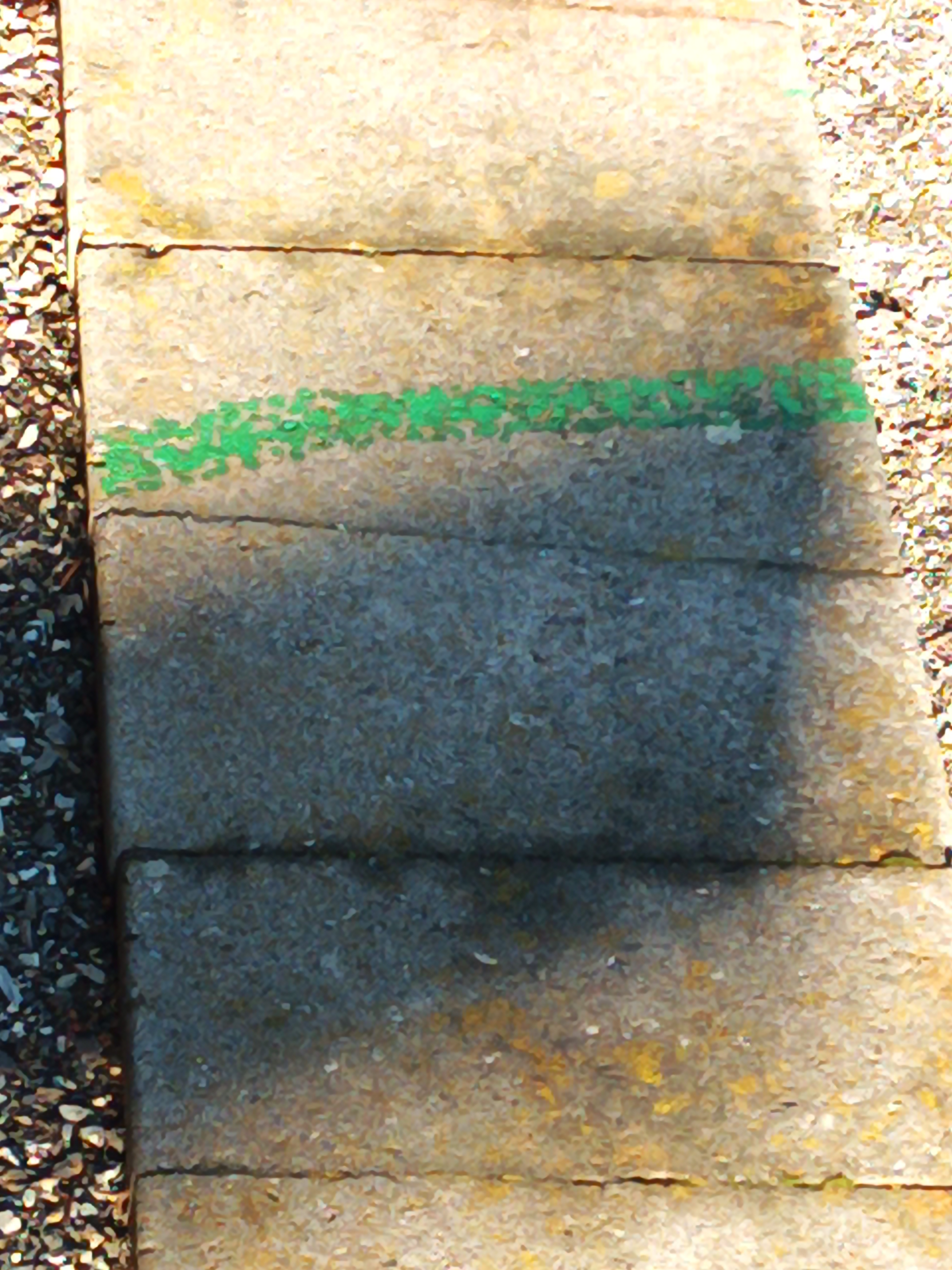
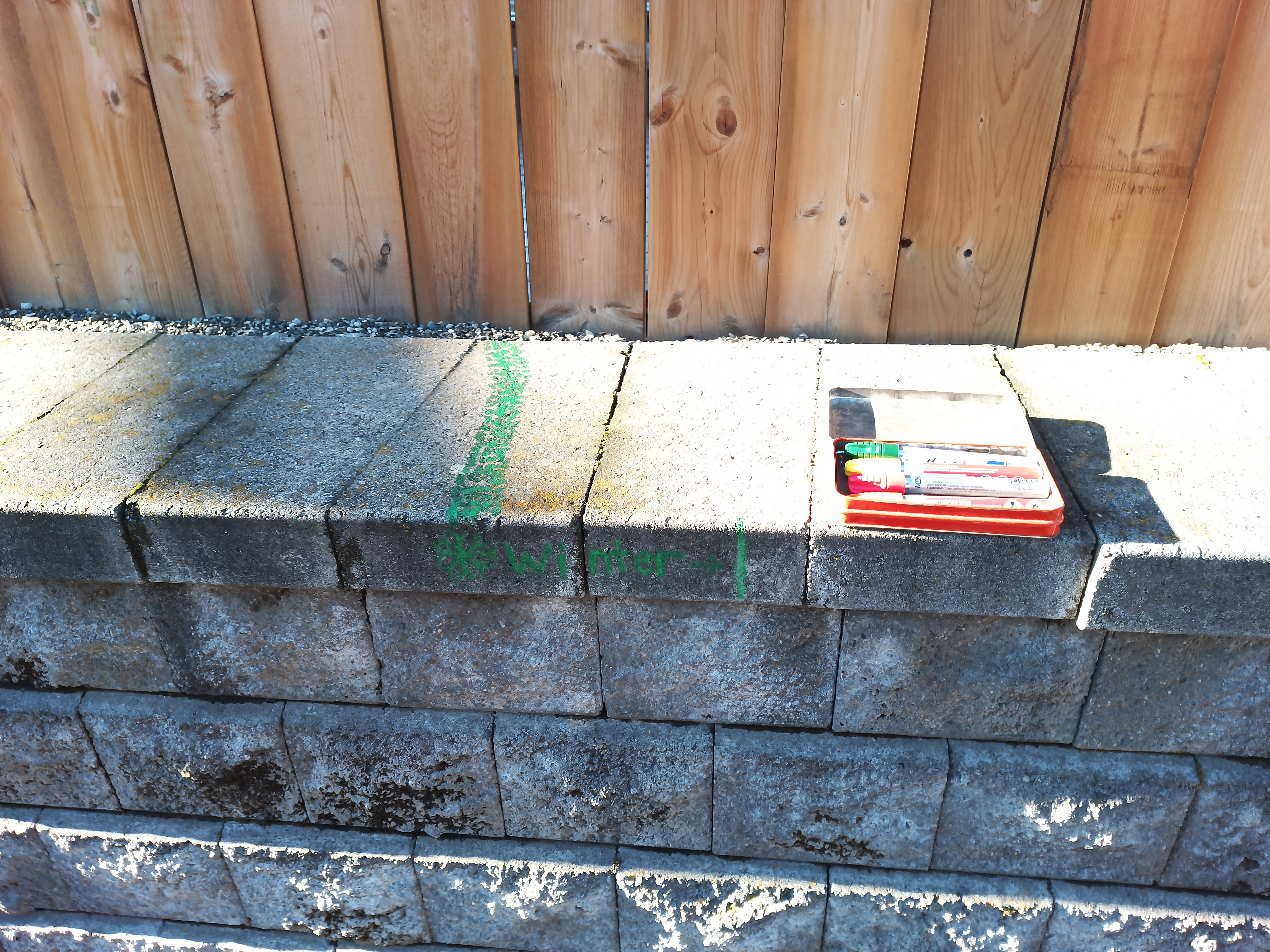
The extension with the “lantern” is what casts the shadow on the wall behind – you can see the shadow if you look closely in the image. With this in mind, I’ve attempted the last two and half years to mark the spot through observation. Here are three images that show the soltice’s locations (and the two equinoxes):
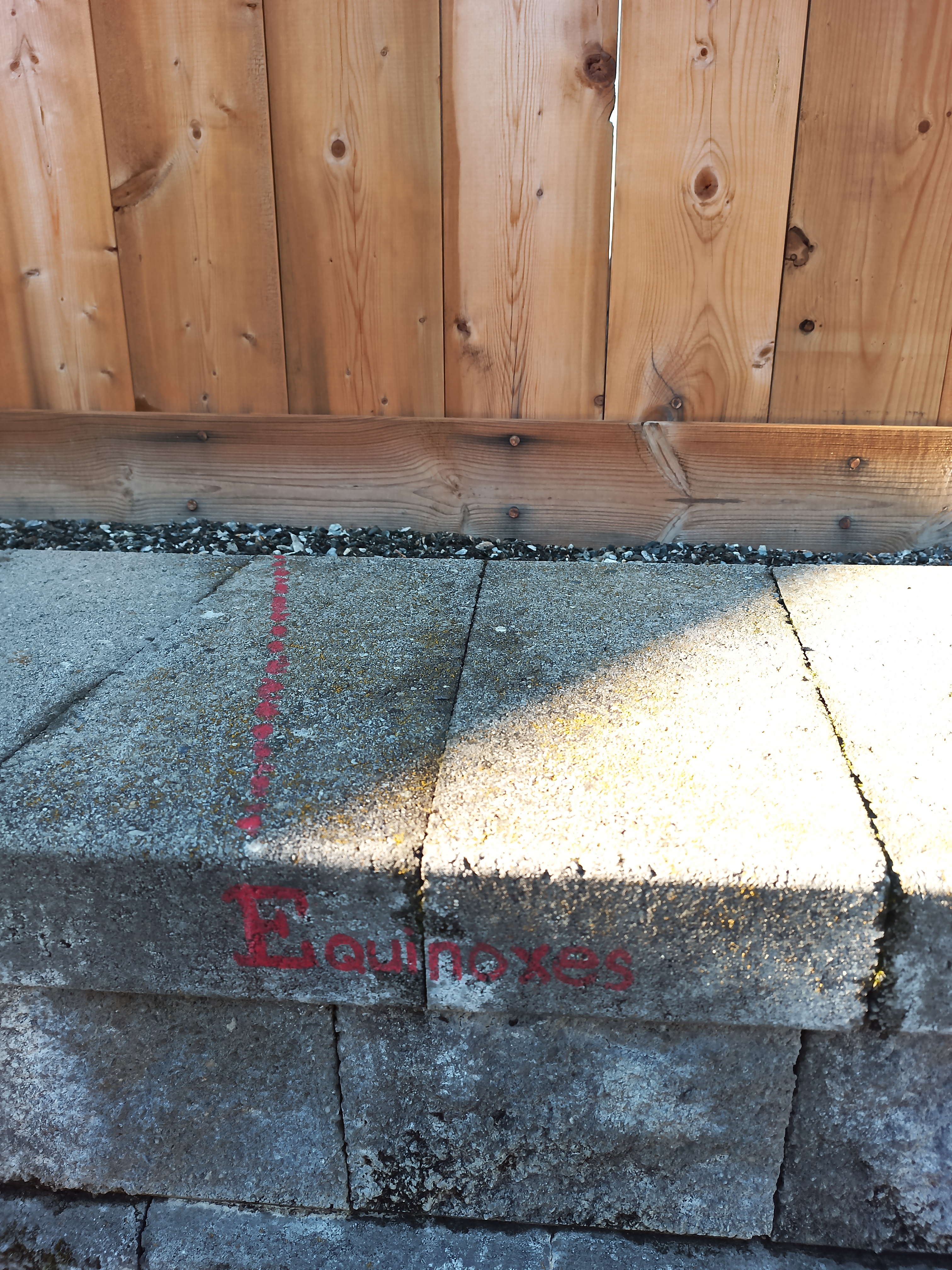
Interestingly, I did use the correct measurements to calculate these positions mathematically, and they ended up being in these exact locations! I love math. haha. You can see that “Winter’s” line is thicker — i found that the farther you are away from the object casting the shadow, the more vague the shadow edge tends to be. We both had to work at observing and marking — making it quite difficult to pinpoint. This makes me truly realize the precision of Stonehenge, the Pyramids, and the Aztec/Mayan ruins. Incredible. 

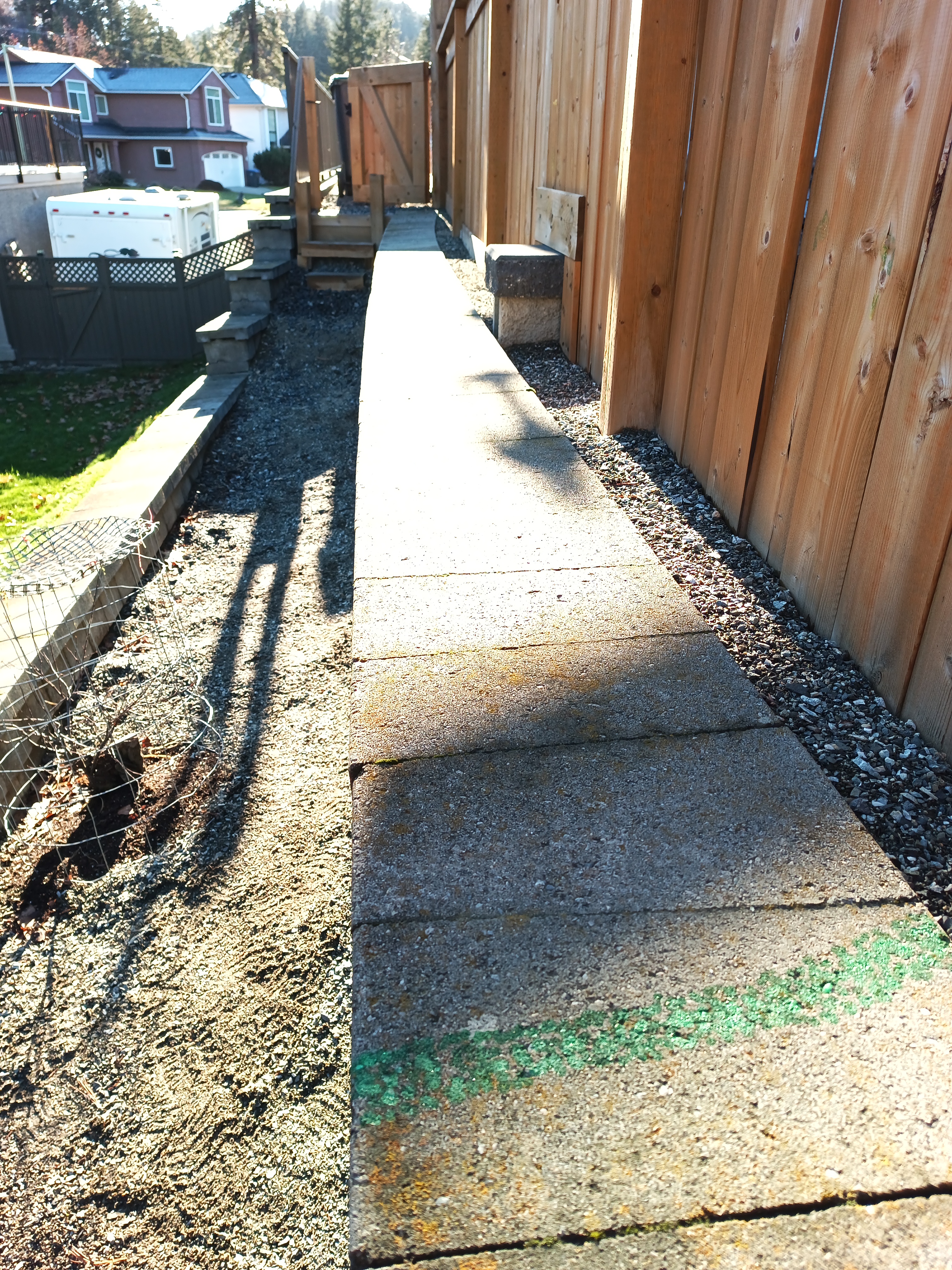
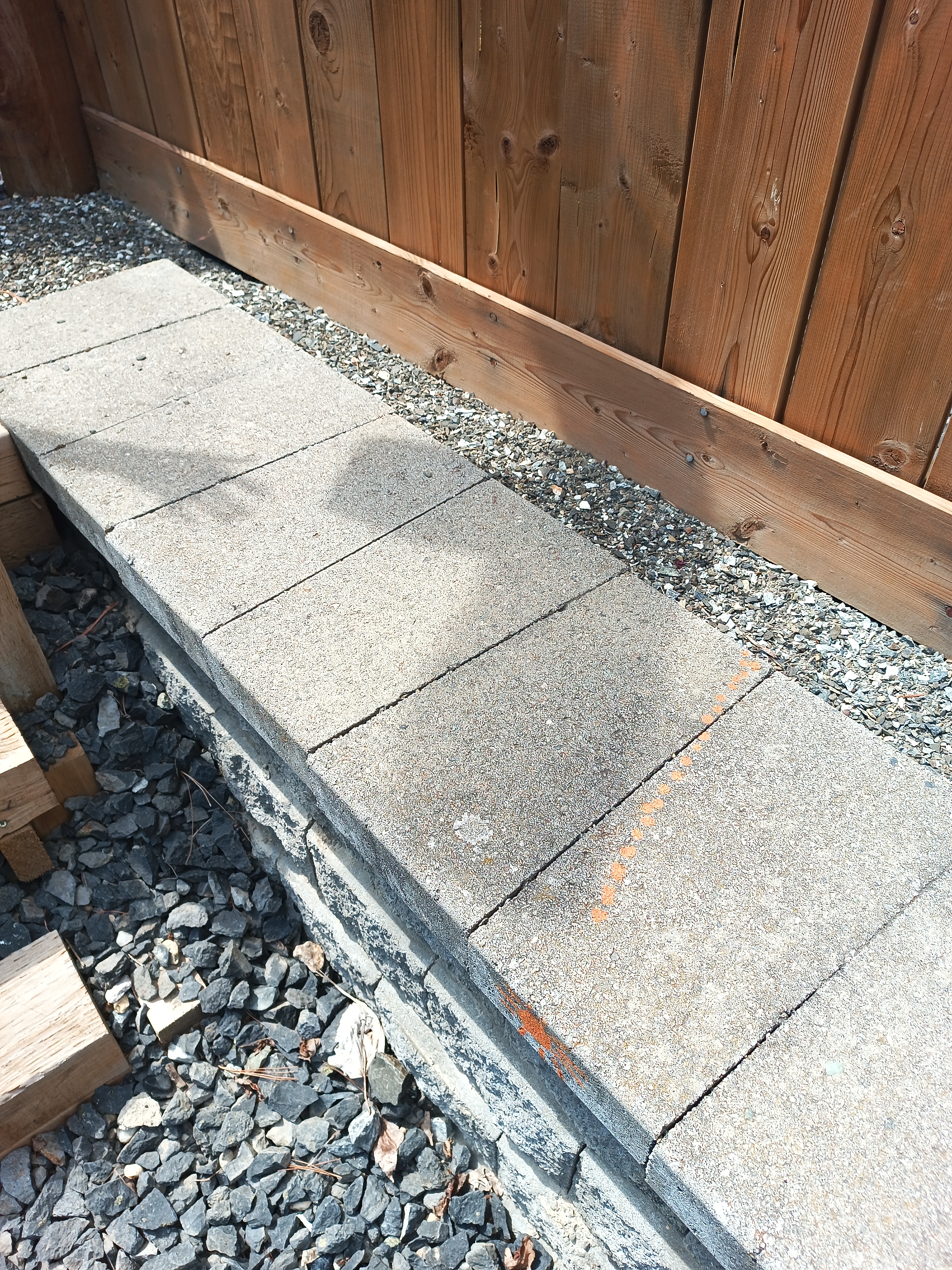
Here is a set of pictures looking back to the post to show how long the shadow is in winter and how short for summer, spring, and fall:
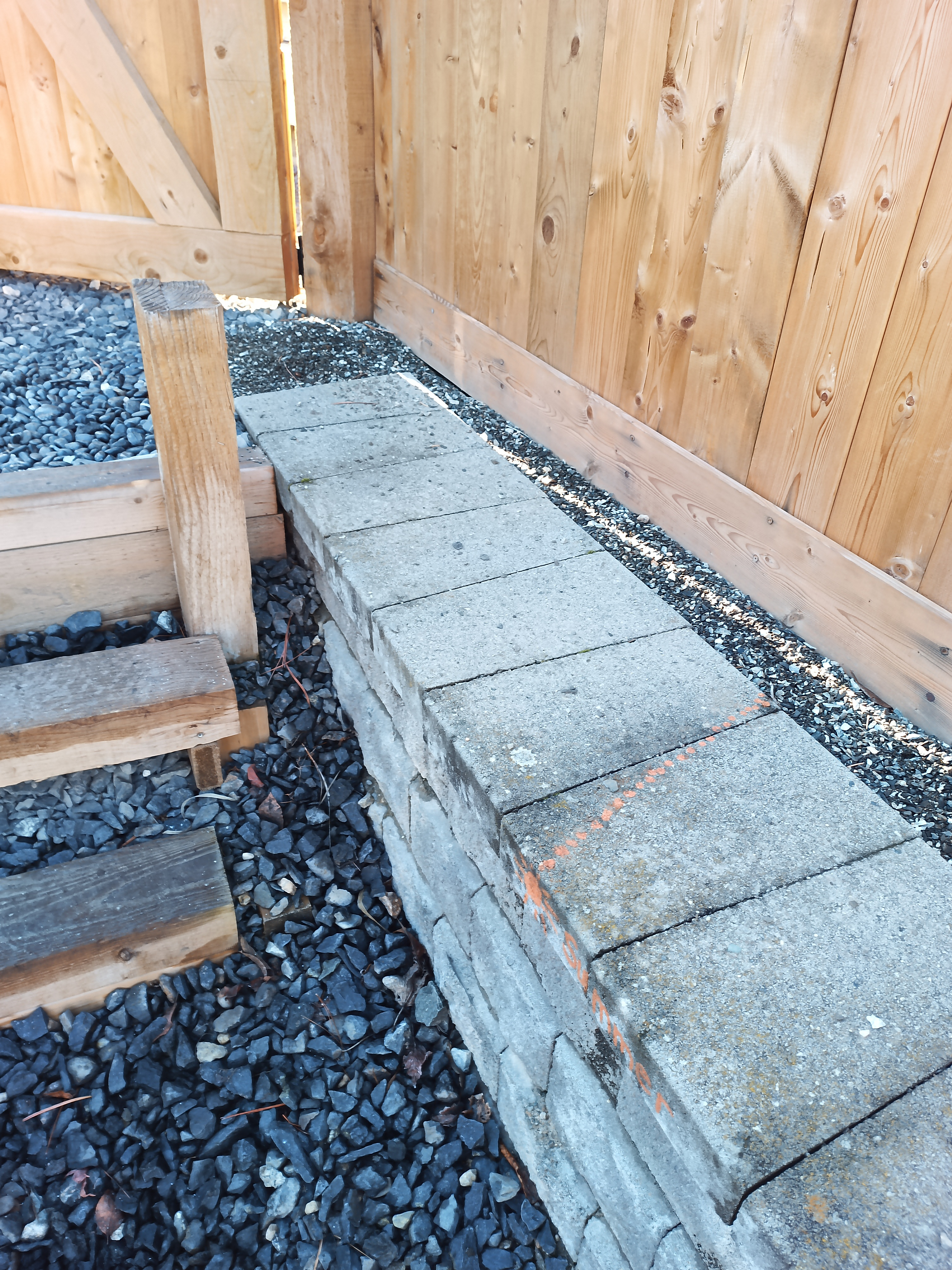
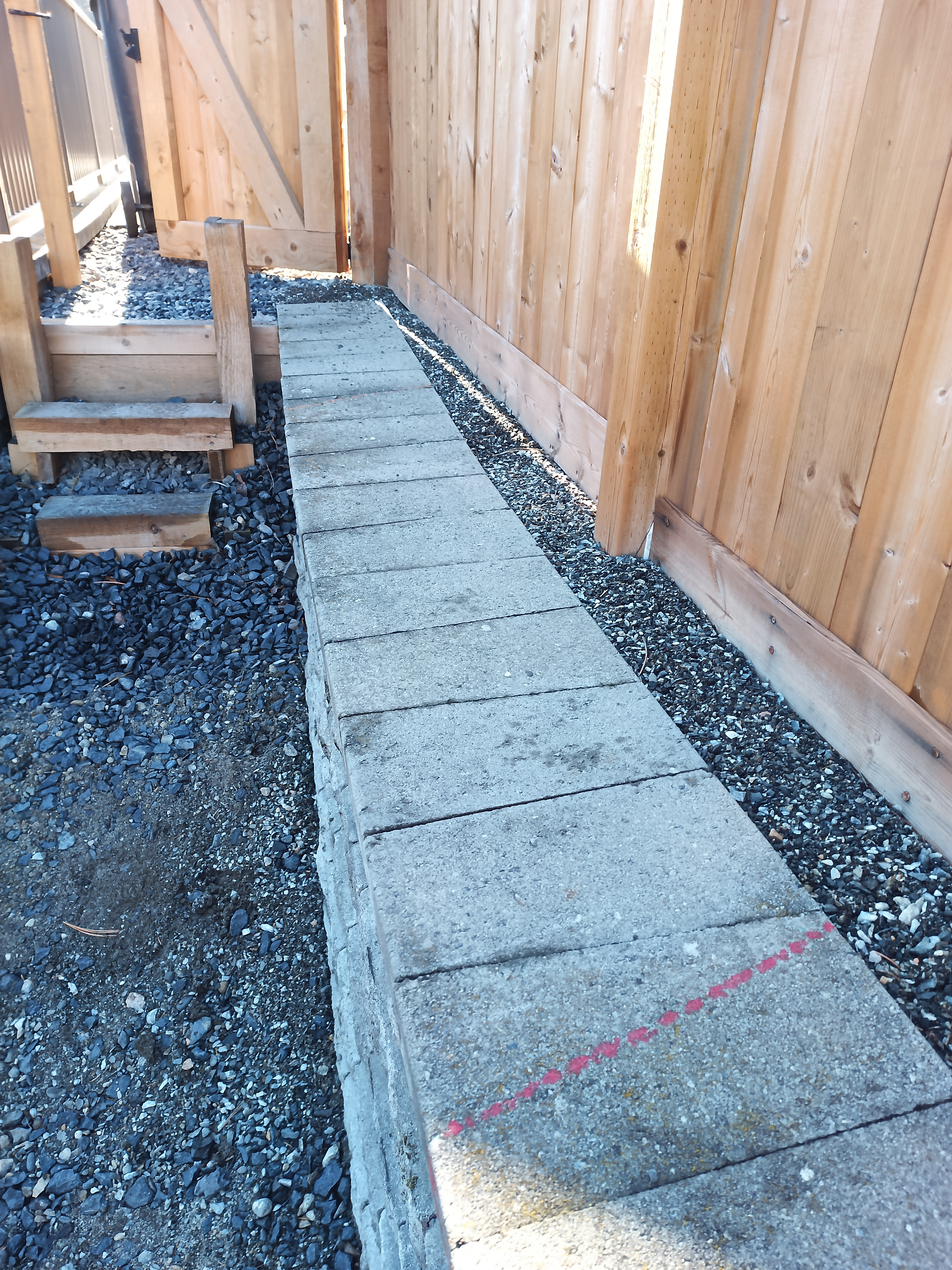
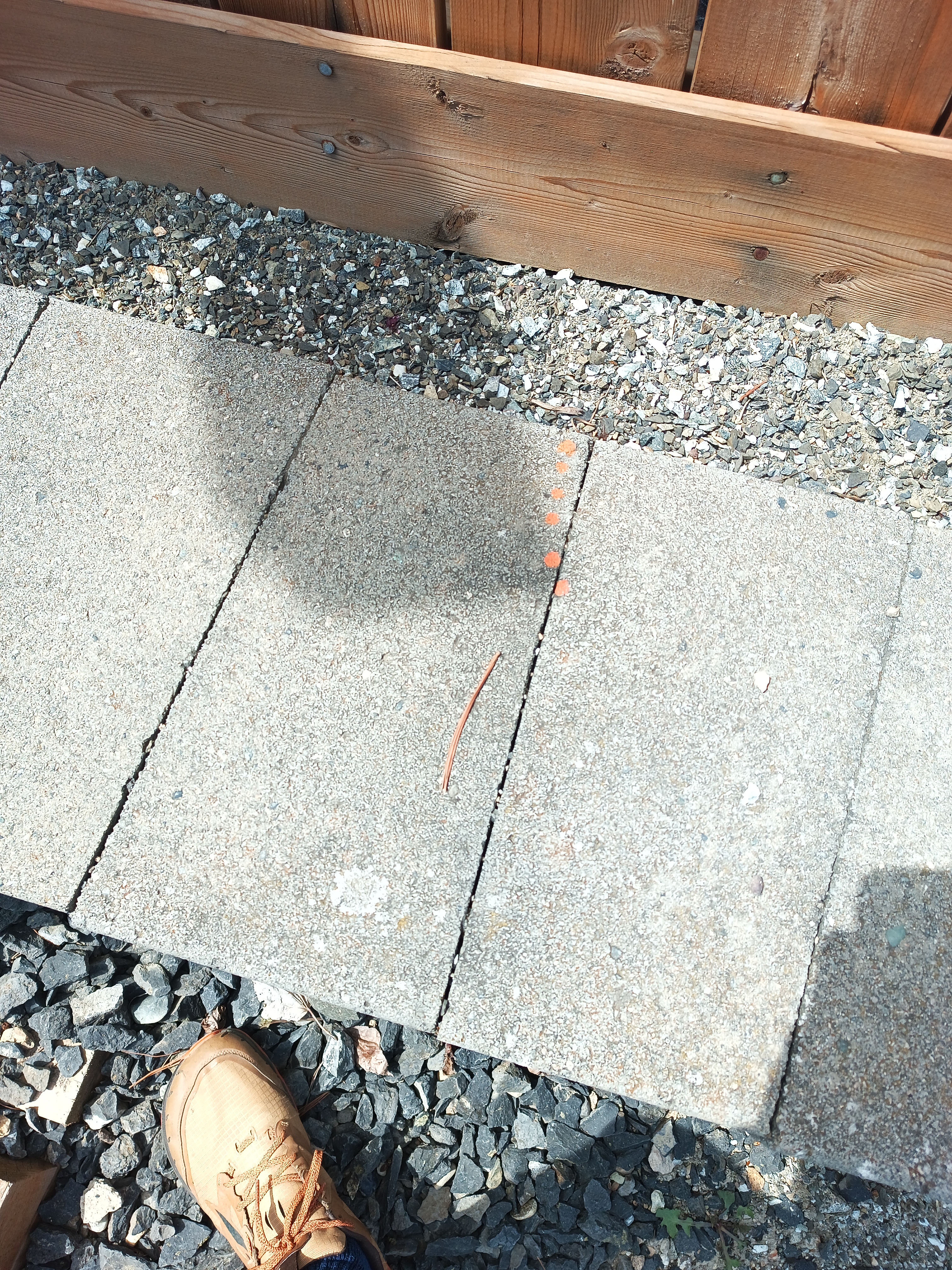
The orange line is summer solstice, the red line the equinoxes, and the green line is the winter solstice. Finally, here are a couple of pictures showing my effort to mark the lines as the sun passes the mark … you can see it in the green photo line above. On the two days I had sun (close to the actual time/date):
It was a fun experiment and one I can enjoy every year — now I just need my post to stay level. haha. I hope you enjoy this!

Stumblingpiper

Read Full Post »

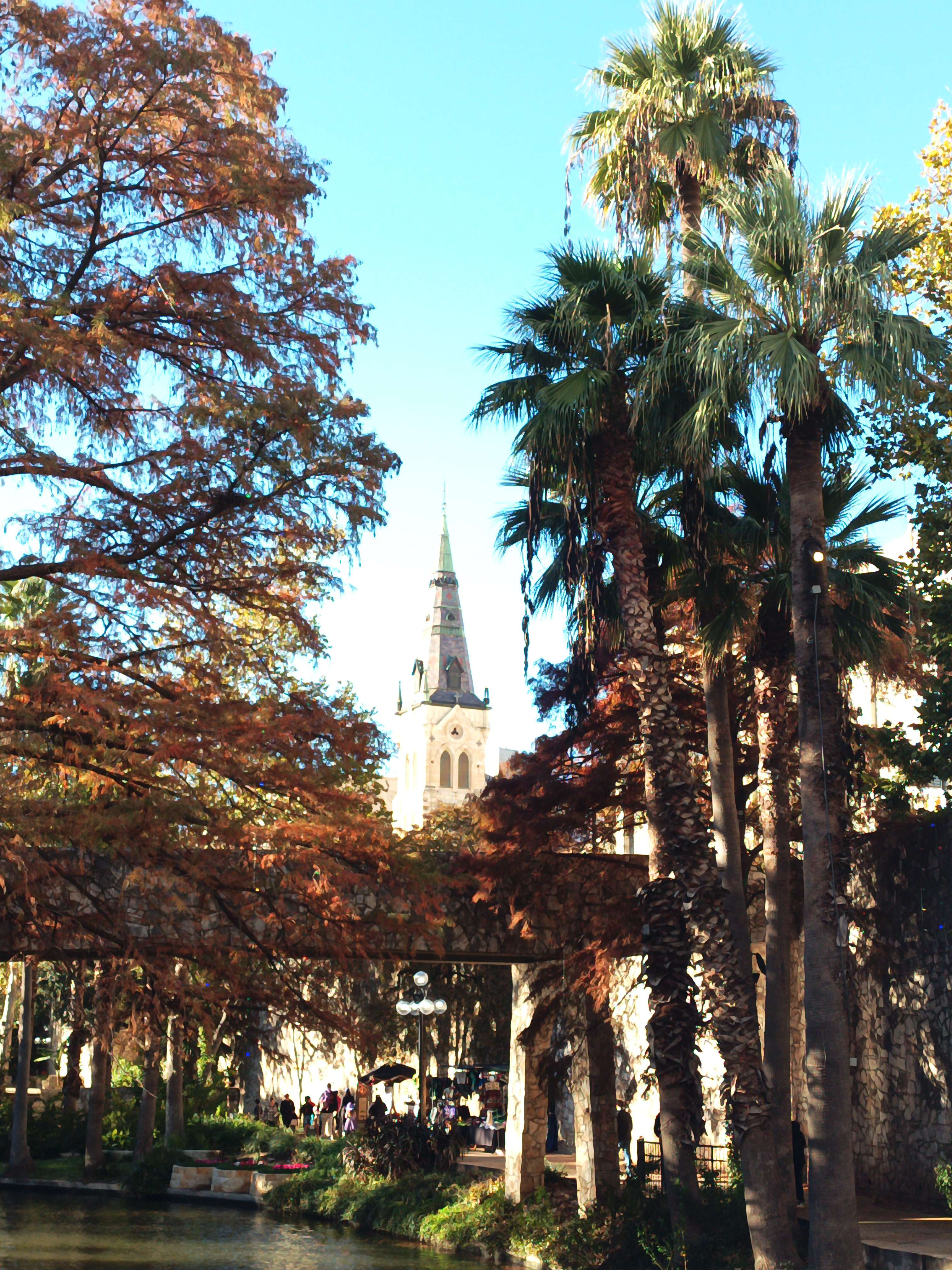
Last year, my brother and I started a photo contest with each other. It quickly expanded to include other family members. We picked a topic for each month and then submitted from one to three photos depending on that month’s rules. The only stipulation was that you had to use an actual camera, not a cell phone. Here’s a look back at the photo contest through the series of my images:

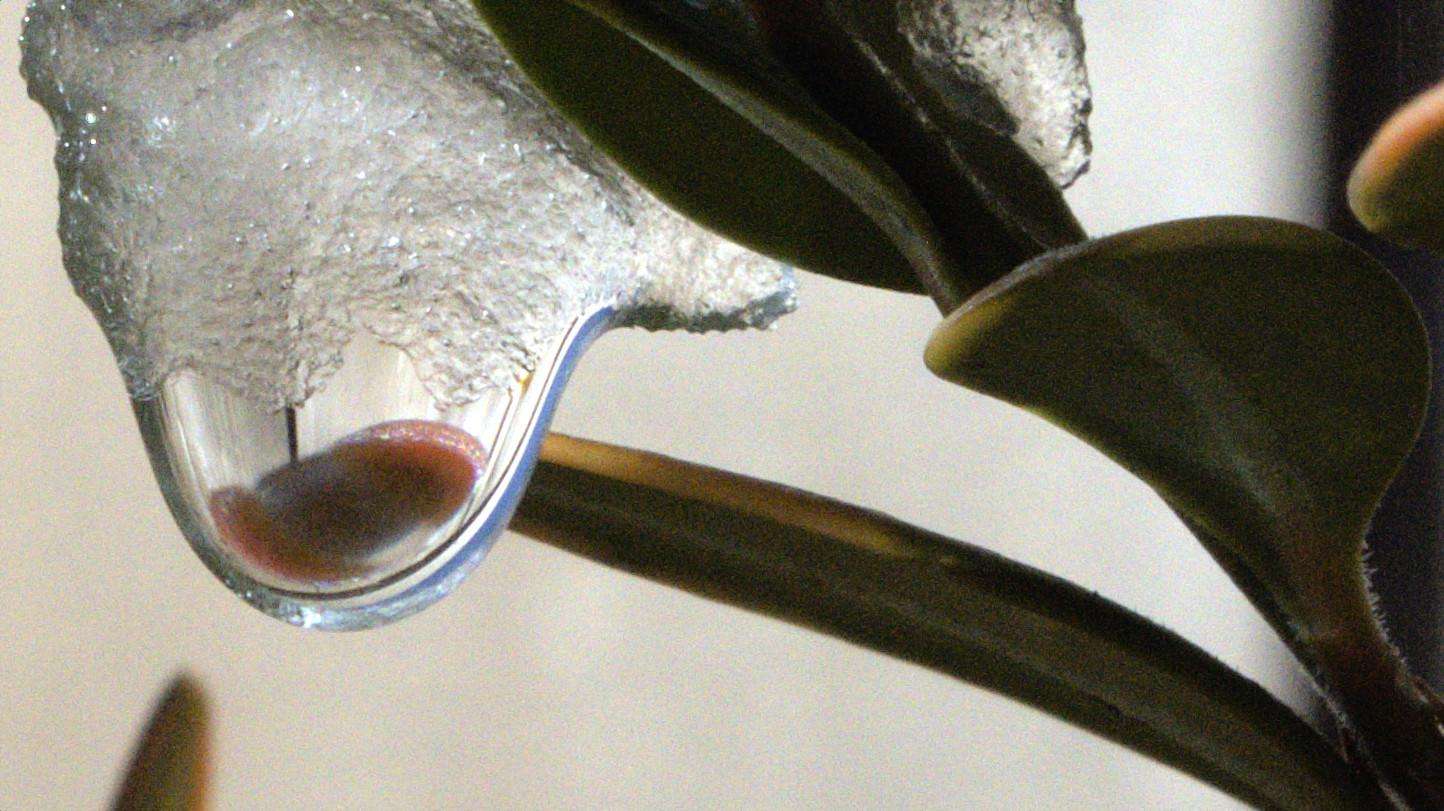
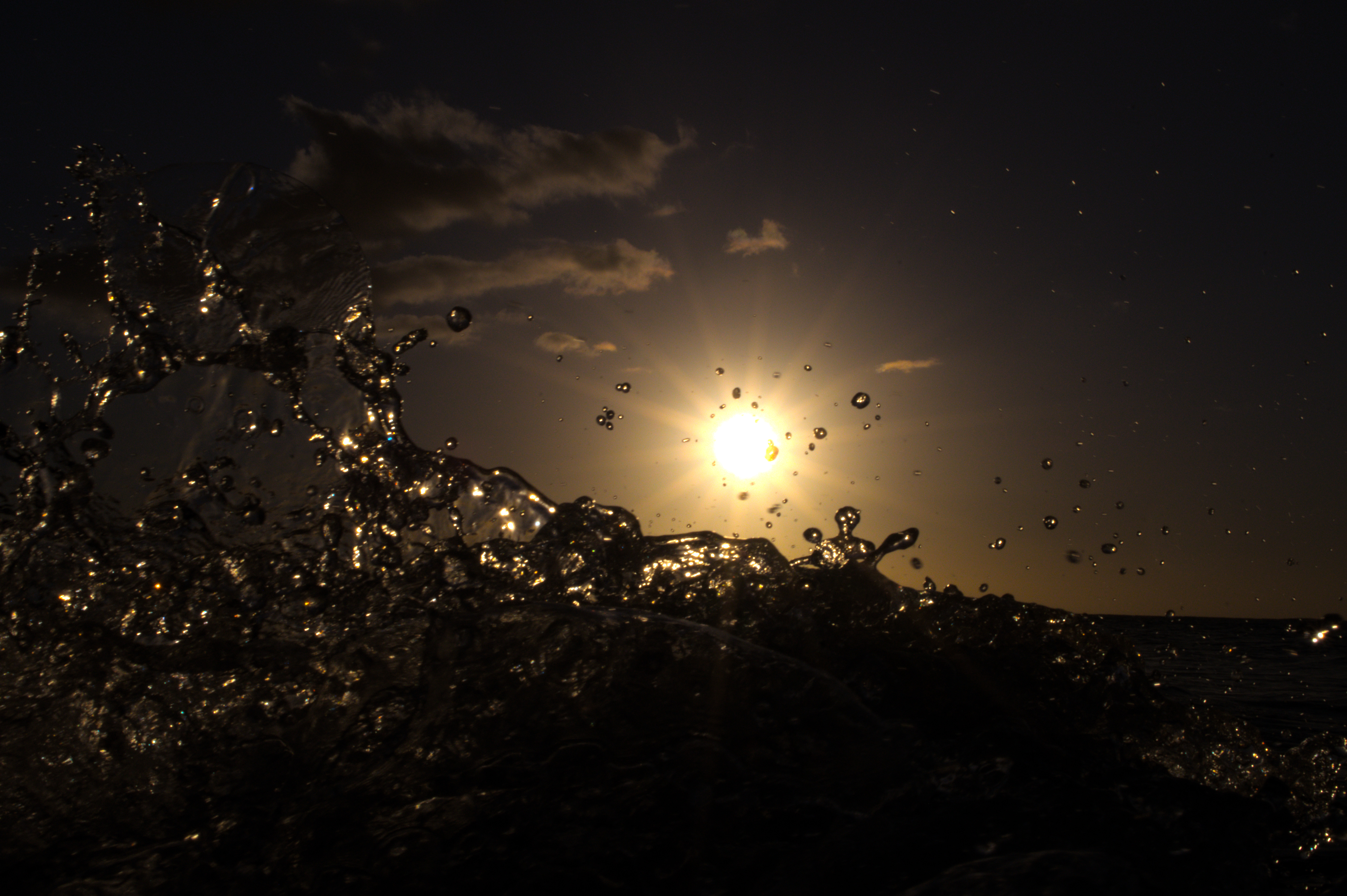
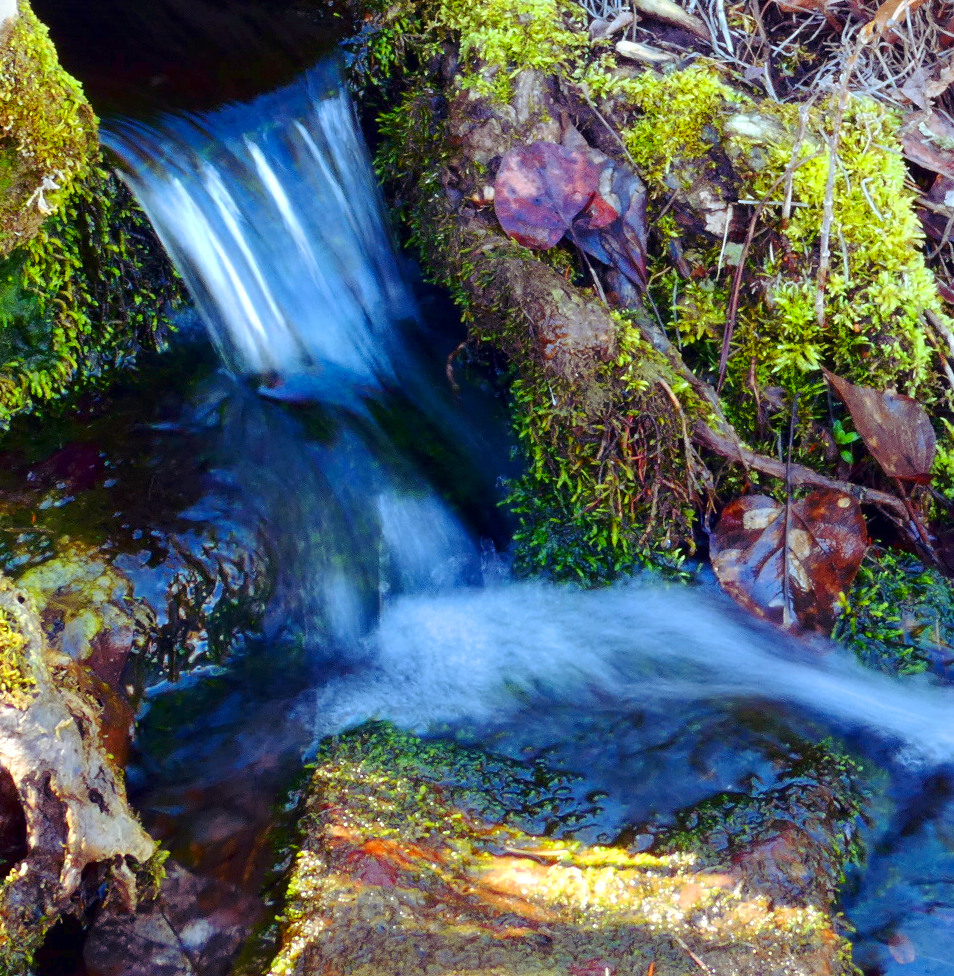
January: Water. This was any form of water: snow, ice, fog, lake, river, rain, kitchen faucet, etc. I decided to try and get creative and capture a water drop from a piece of ice. Oh, and also I saw a duck. haha.

February/50mm Challenge – This was 50mm lens only, if you use a full-frame camera. If you have DX (Nikon) or Crop (Canon) camera, you could use a 35mm–it produces a 50mm equivalent photo. Also, it was a NO-CROP challenge. You could change color, exposure, contrast, etc, but you had to use the whole image. Here are my shots.

March/Local Architecture – This month’s theme was three pictures within of local architecture and infrastructure. Local was where you were at the time. Each structure had to be man-made. My photos this month were ok … not the greatest. haha.

April/In-Motion – This was simply three images that showed motion — or it could be a 10-second video. Here two of mine — my third is a time-lapse photo: here

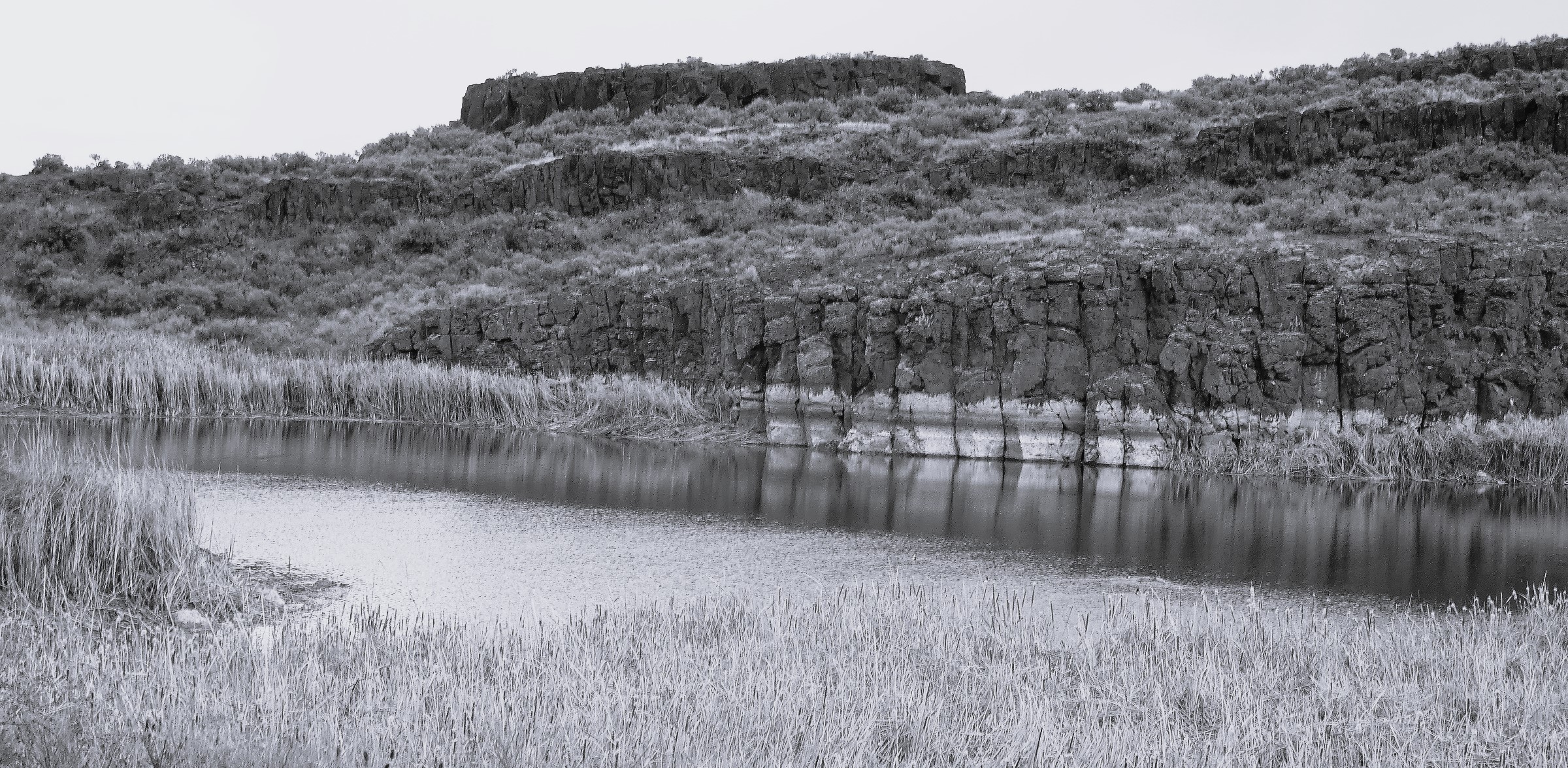
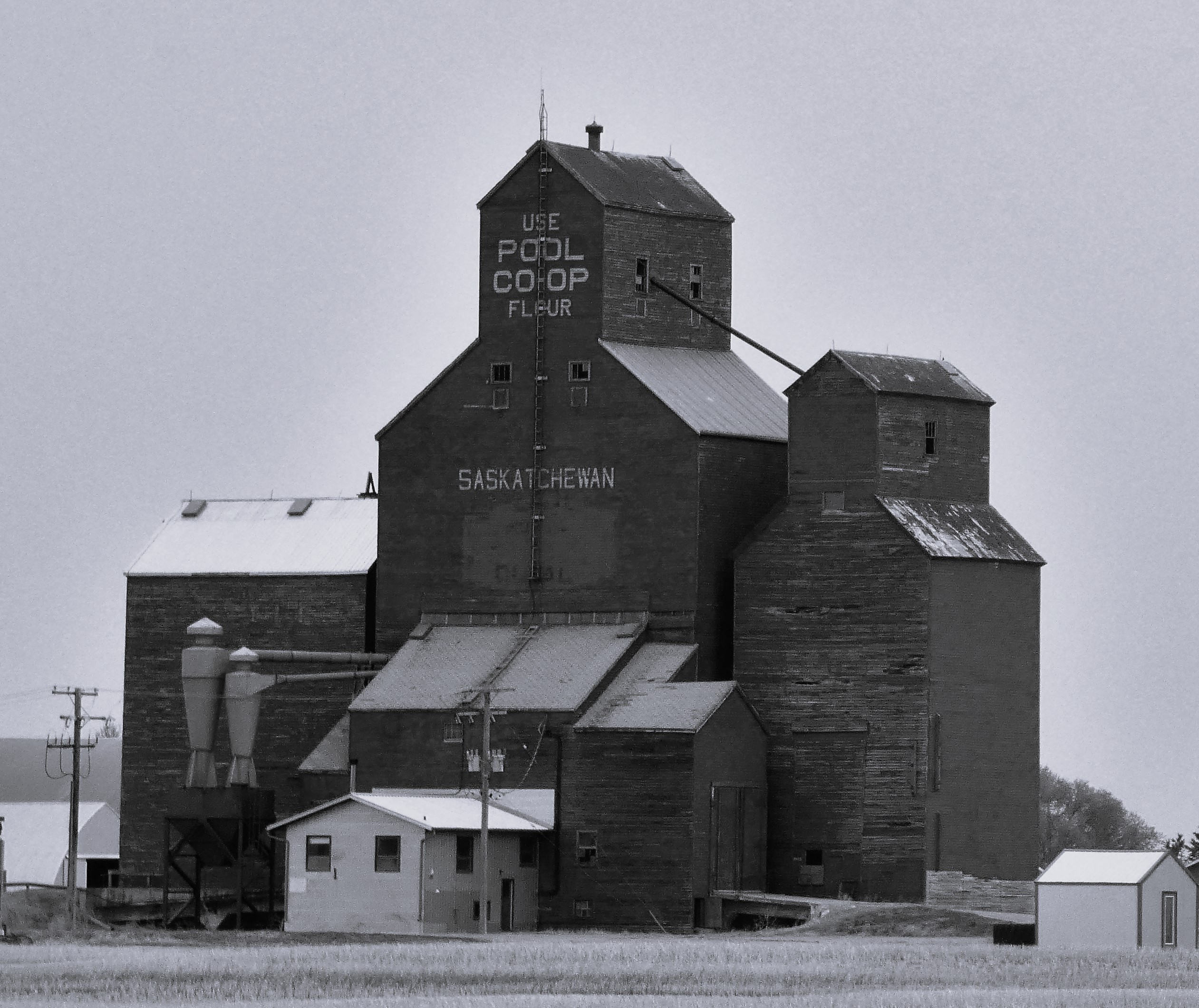
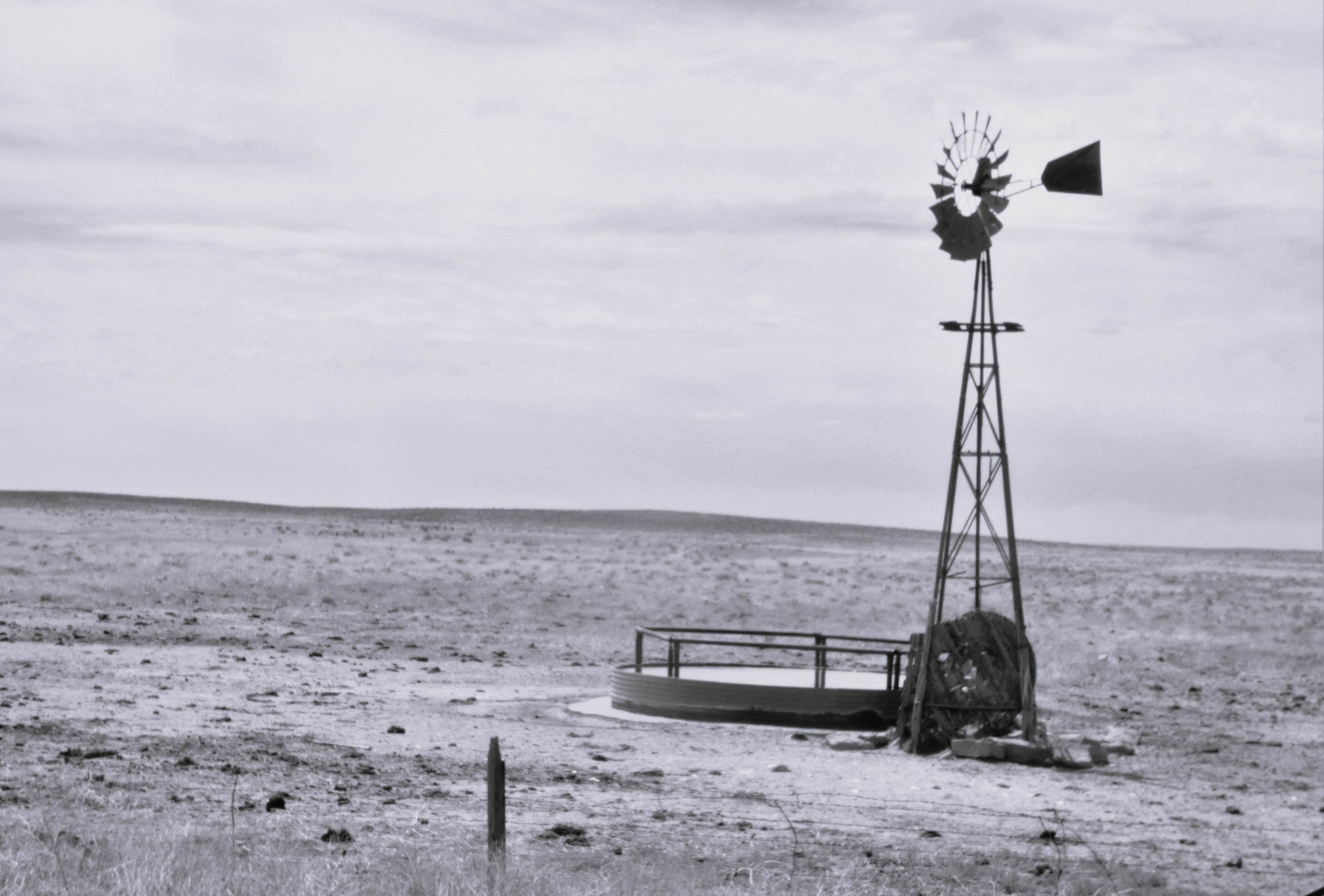
May / Black-and-White. Pretty simple–three images in Black and White. Interestingly, these images came from Washington (pond), Saskatchewan (silo), and Colorado (windmill). 

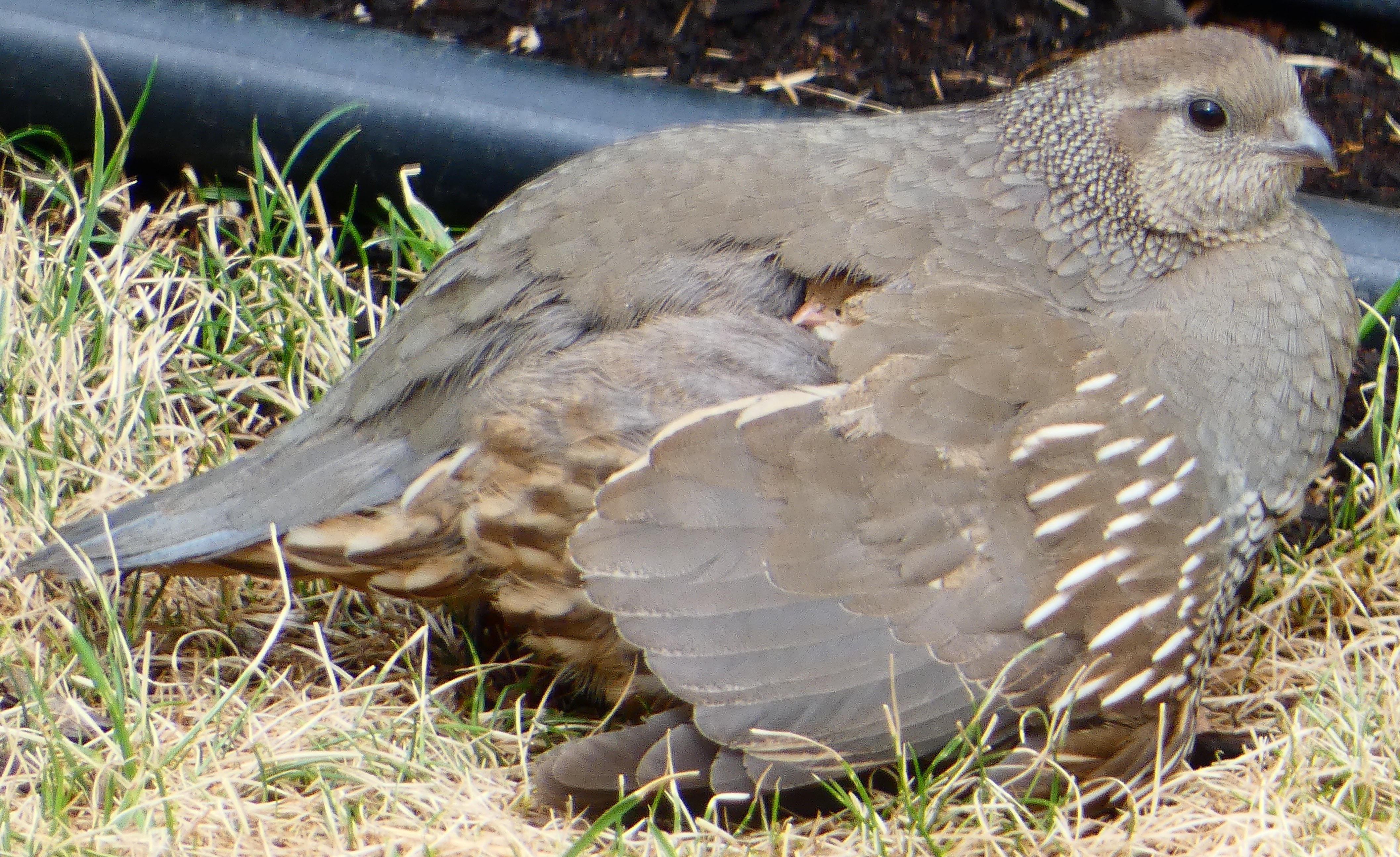
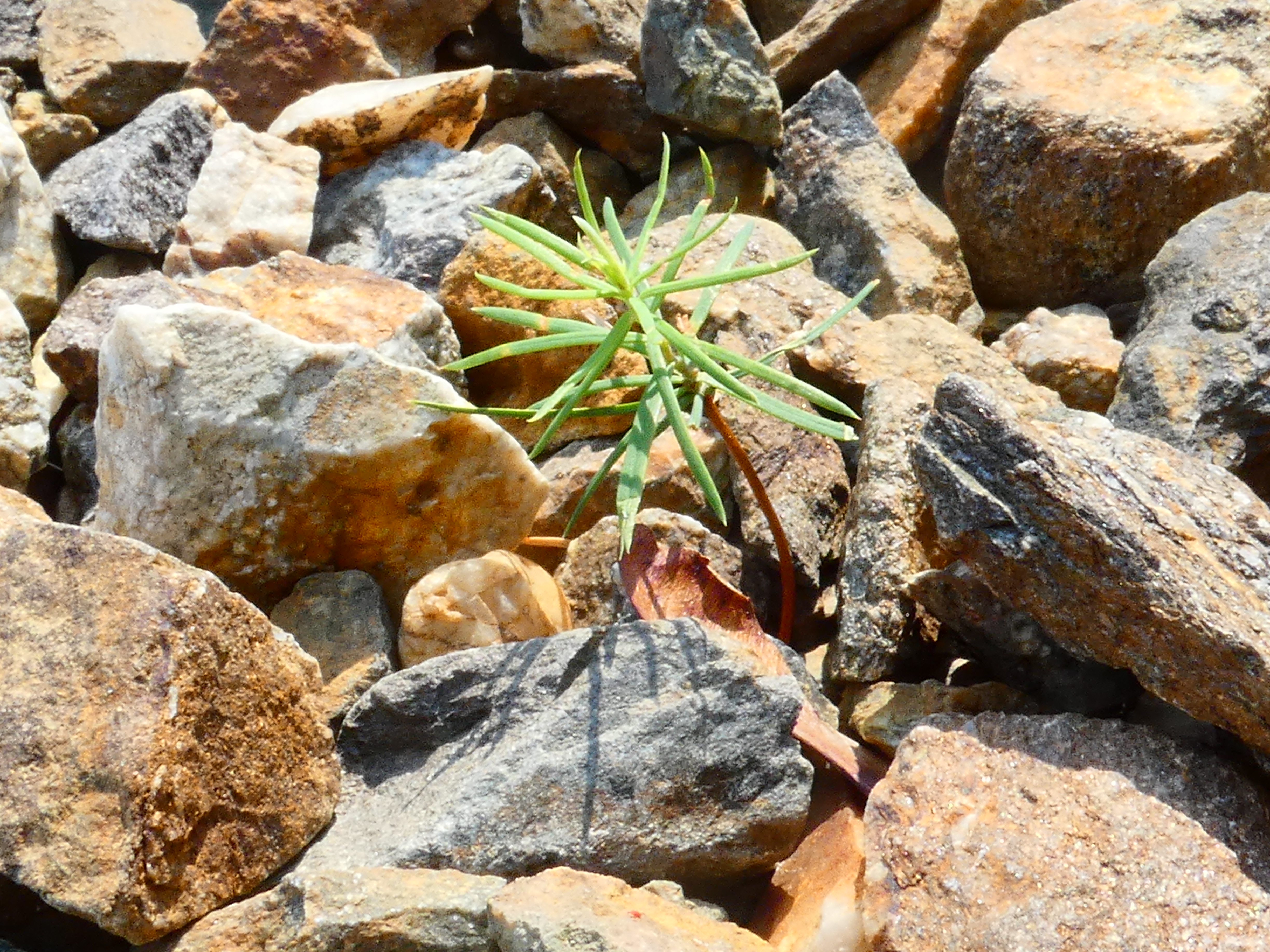
June / New Growth – This was a tough topic for June … but I was able to pull it off and find three images that reflected the idea of new growth. Can you see the baby quail peaking out from its mother’s wing?

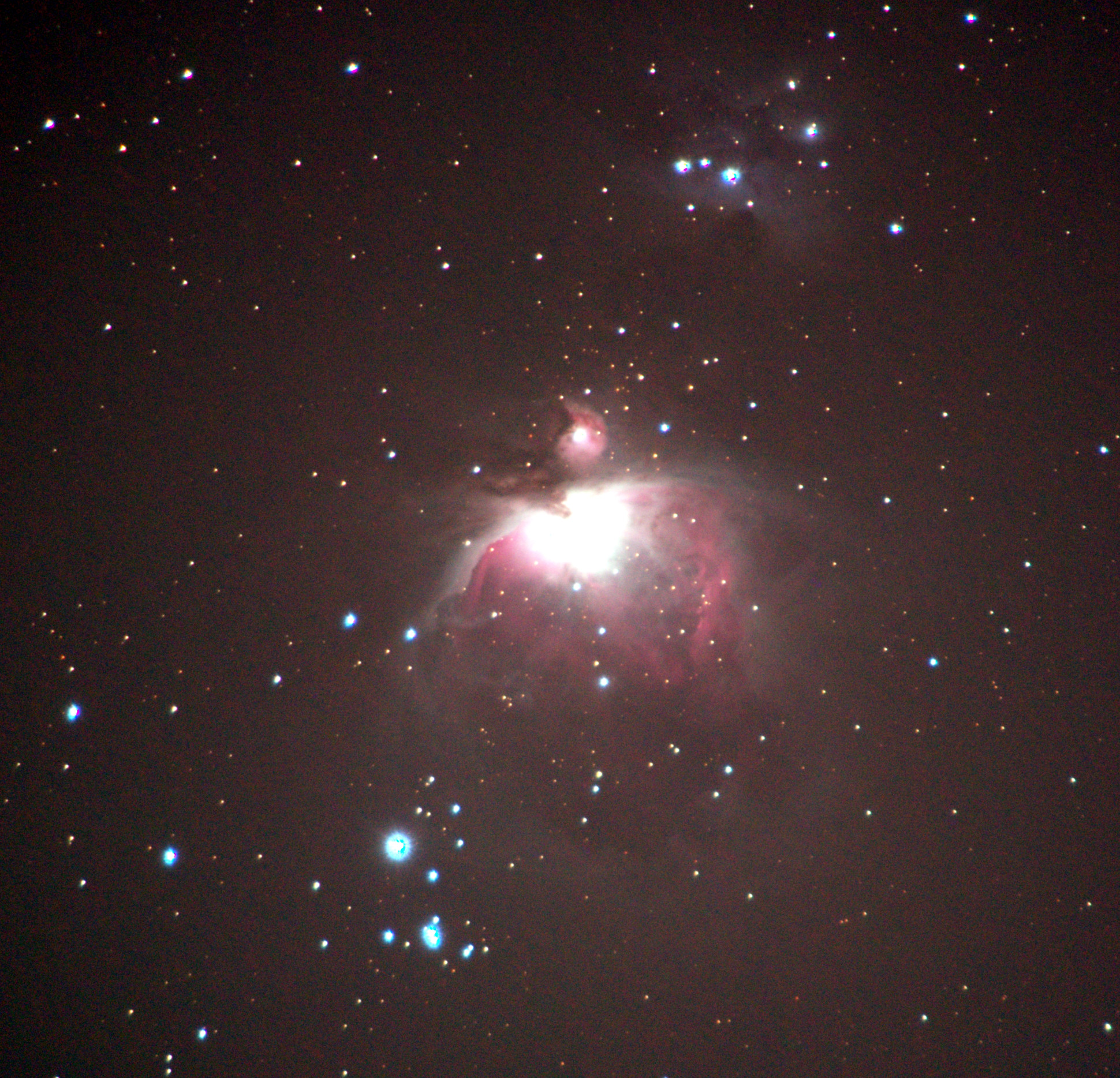
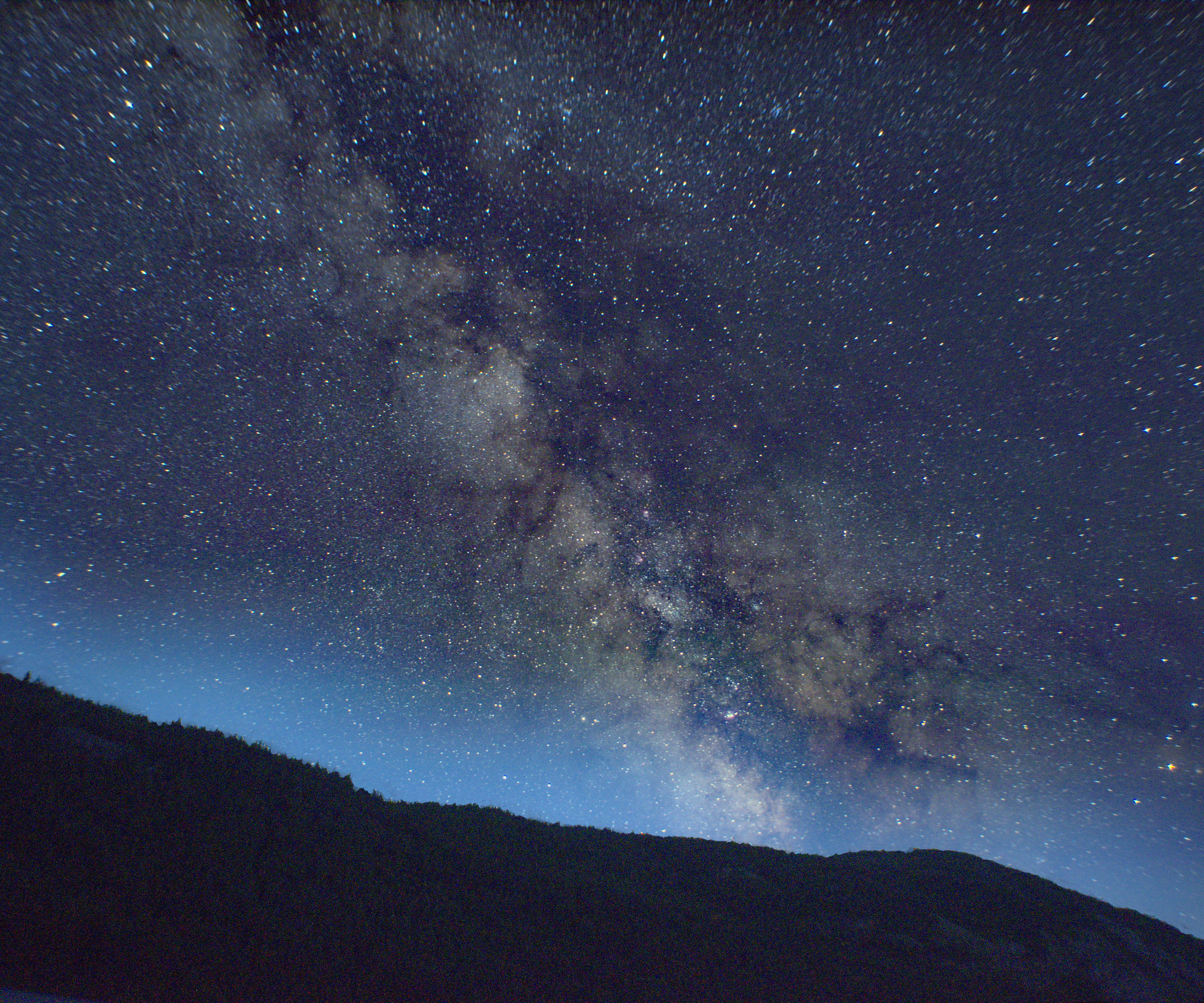
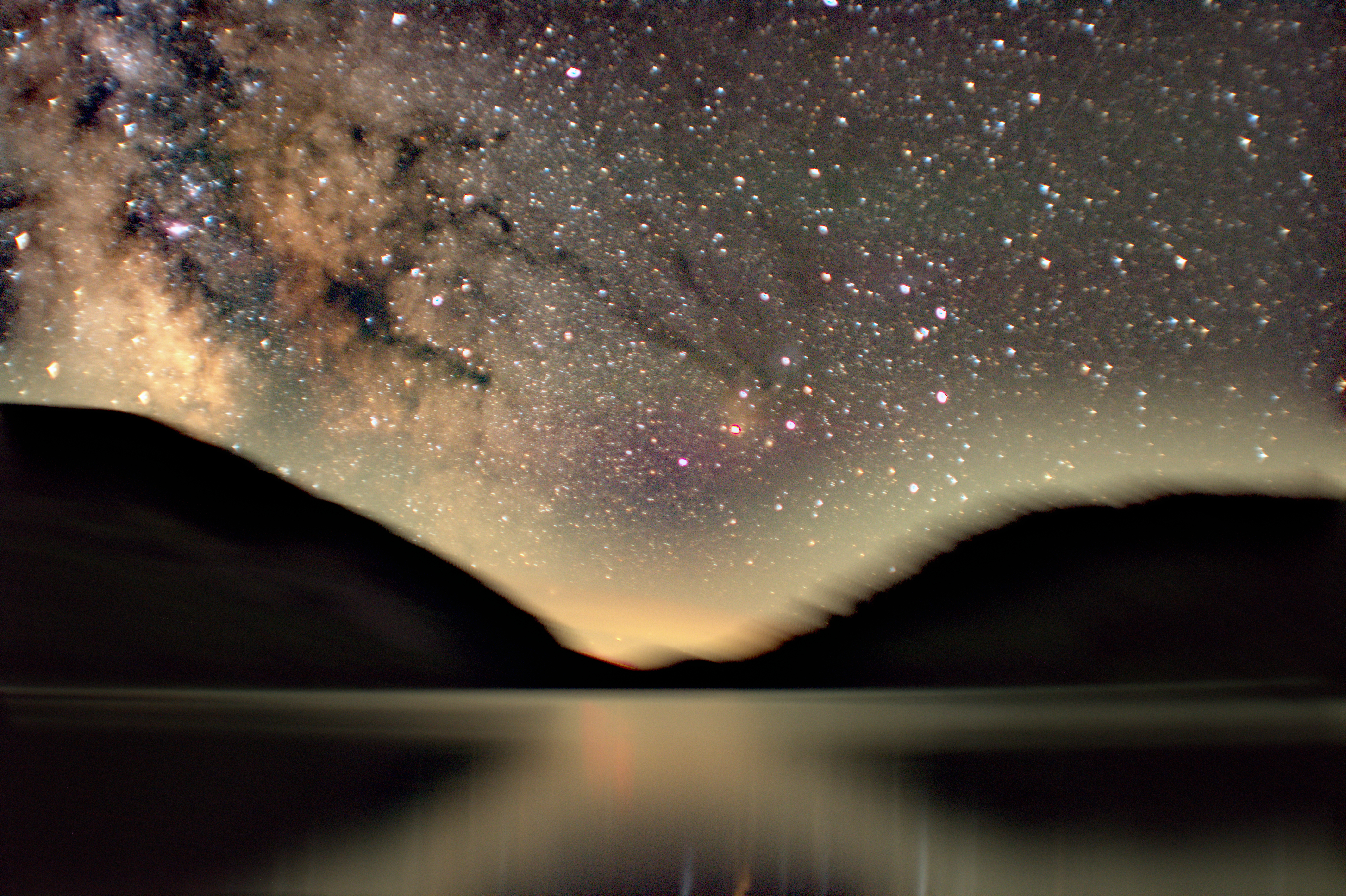
July / Darkness — This one was very nebulous — just needed to reflect something about Darkness, so I went with Astrophotography. These images are the same ones from my last “Night Photography” post.

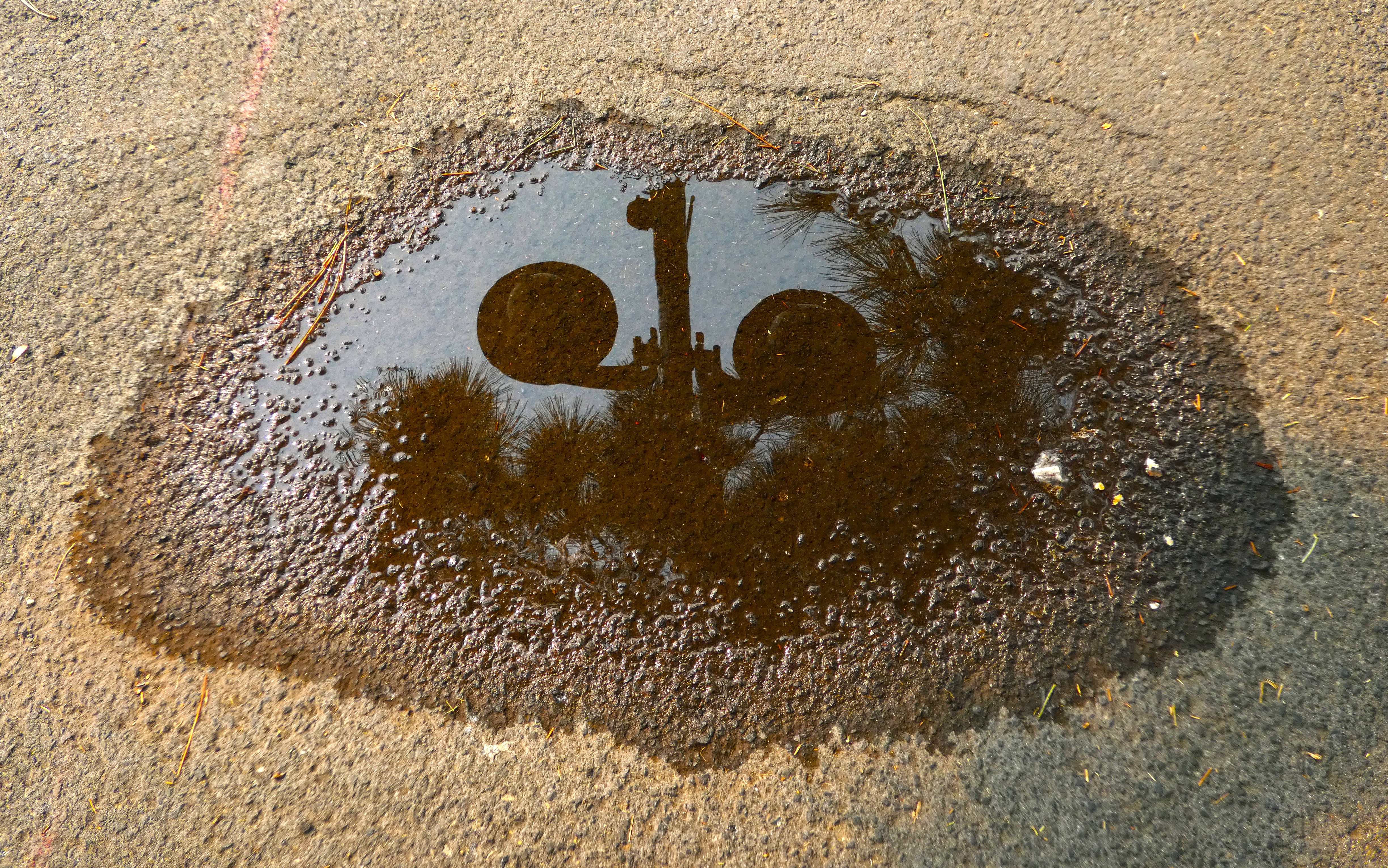
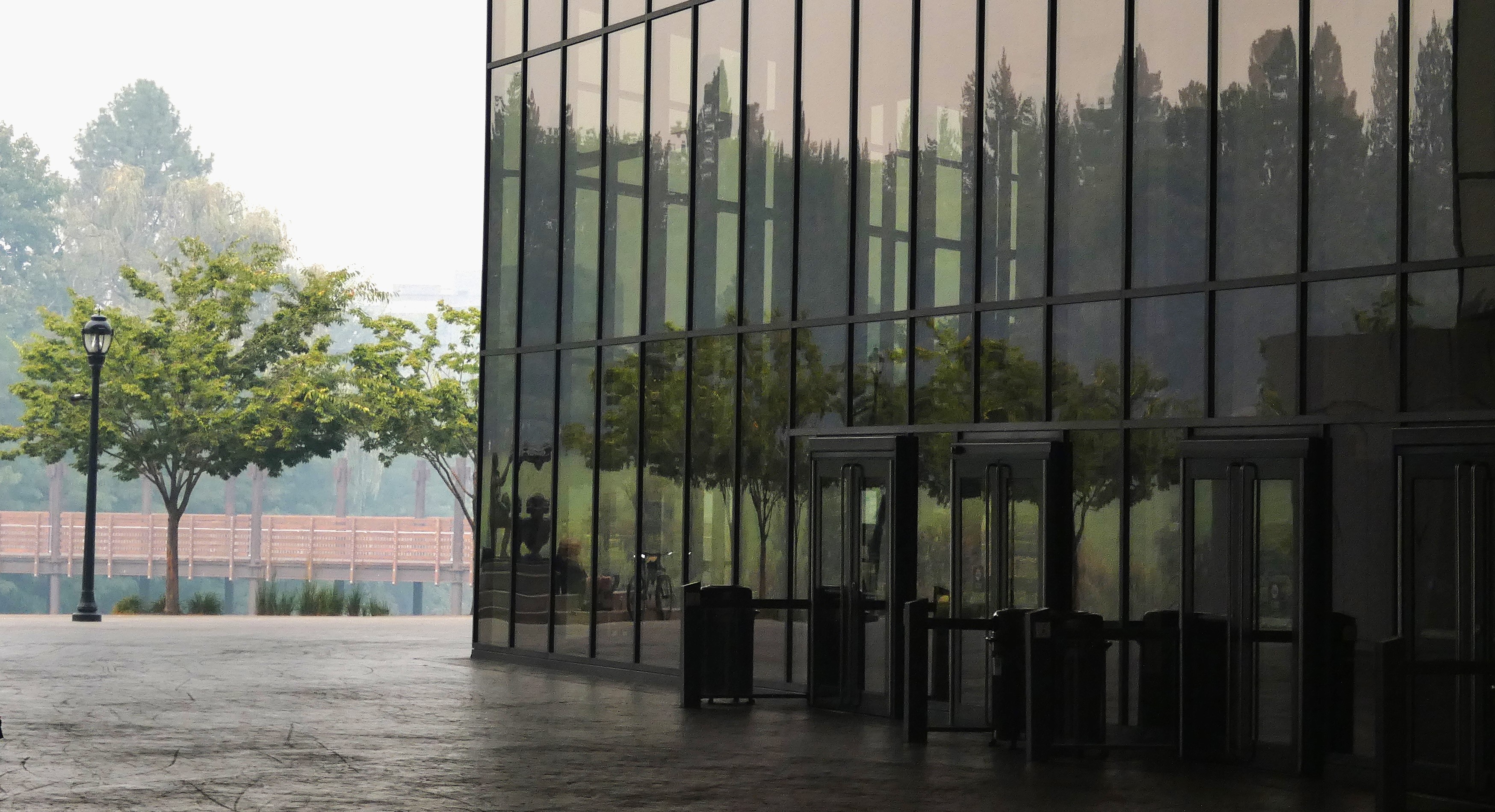
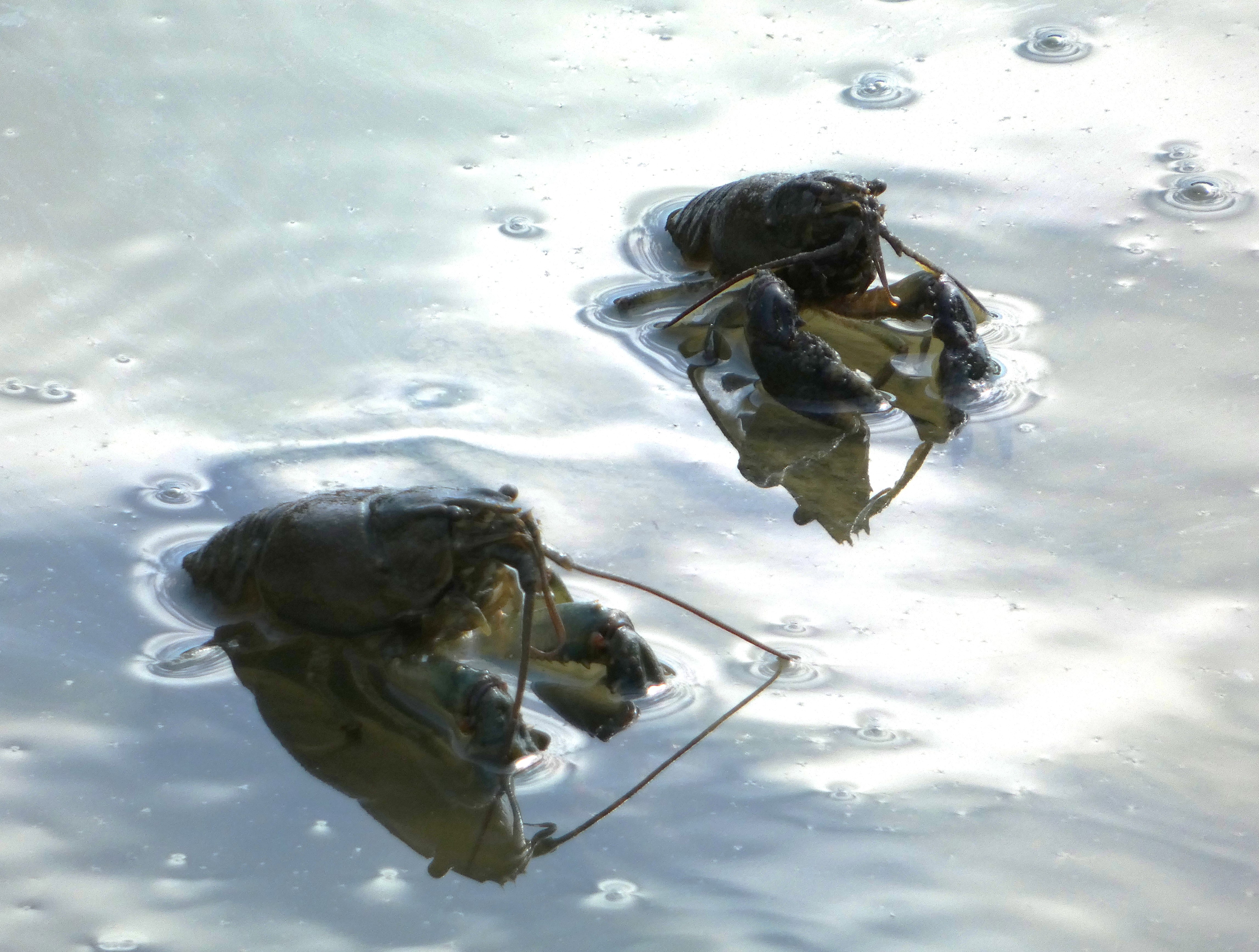
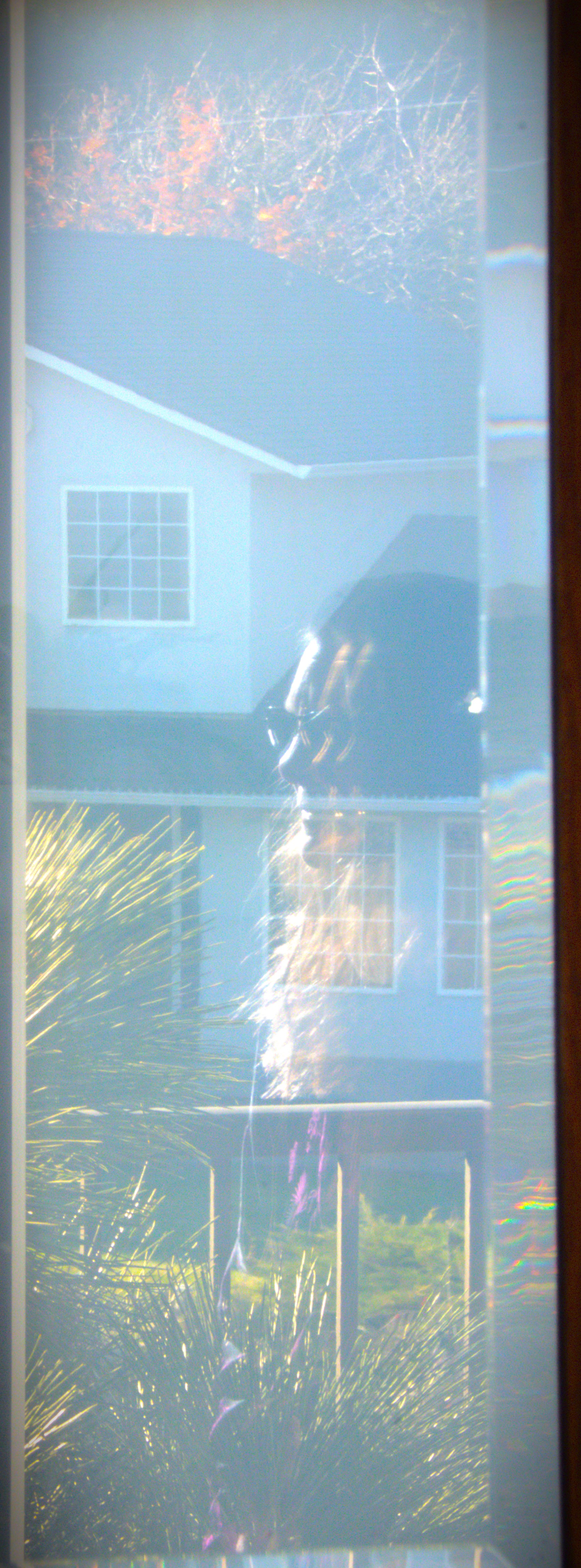
August / Reflected Images — This one was tough! You had to capture a reflection of some sort. It required opportunity and observation. You really had to look to see how the image would turn out! I’m happy with these three …

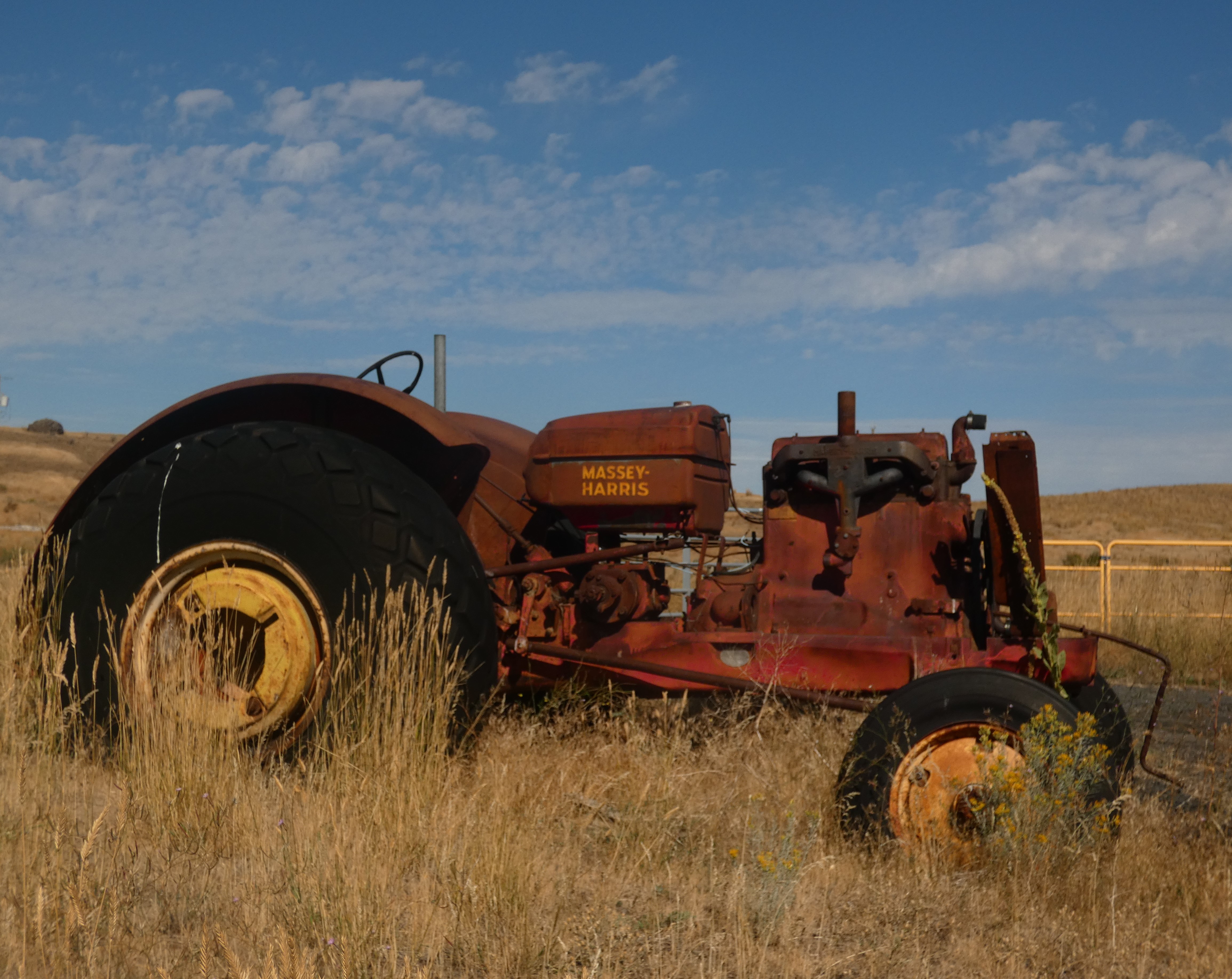
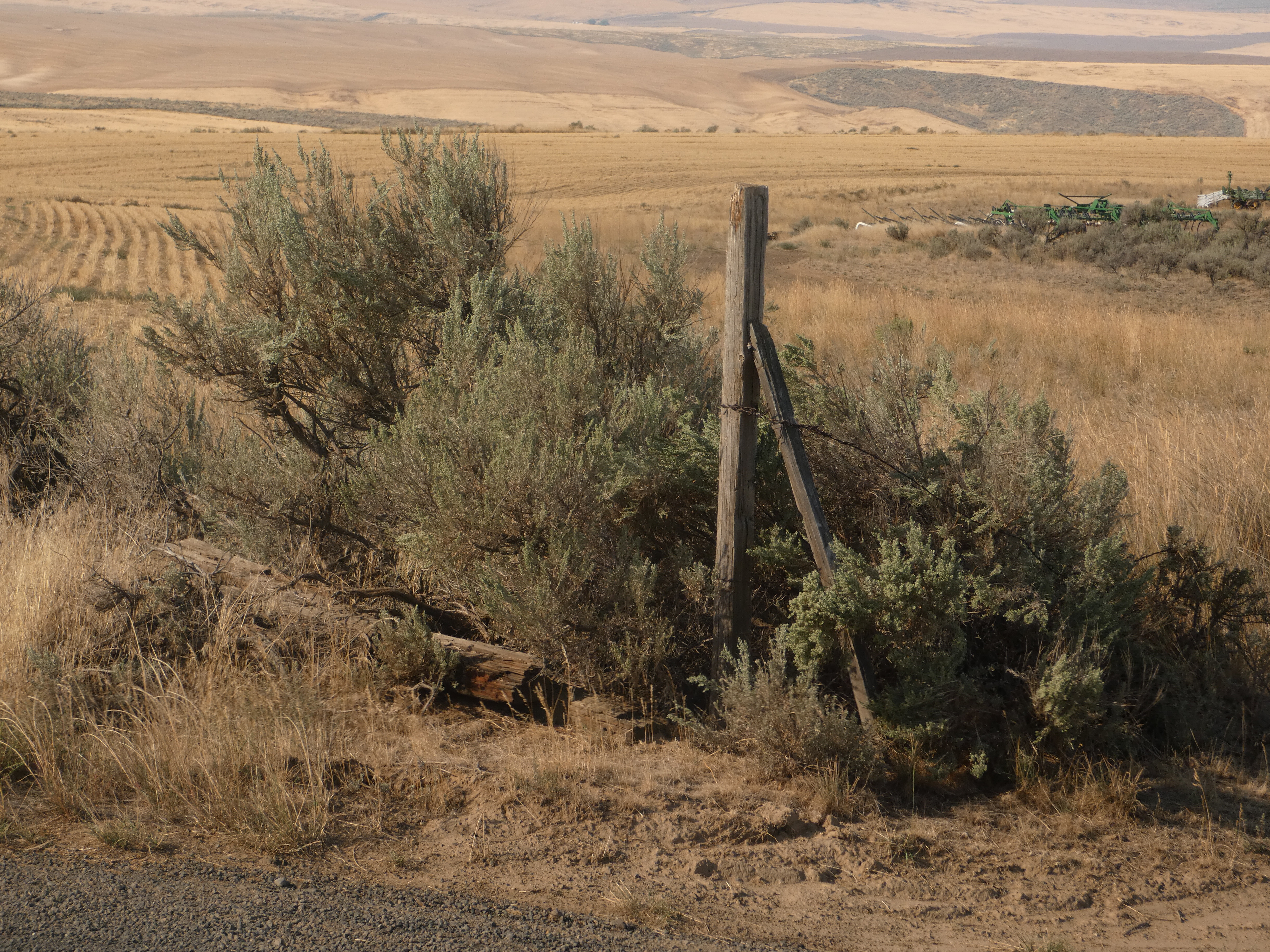
September / Man versus Nature. Another nebulous one — just needed to show the on-going challenges of man against nature … My three pictures were similar to each other, but I think captured the idea very well.

October / Elements & Moods. This month was a combination of a randomly selected mood (mine was lonely) with a basic element of art (mine was “Form”). My lucky combination made it easy to capture the three following photographs.

November / Numinous. This was tough, because the definition is pretty nebulous. Basically, the pictures should be something “supernatural,” “mysterious,” “holy,” or “appealing to the aesthetic sense.” It also means “nod of the head.” Hopefully you will get that effect from the following three images. haha.

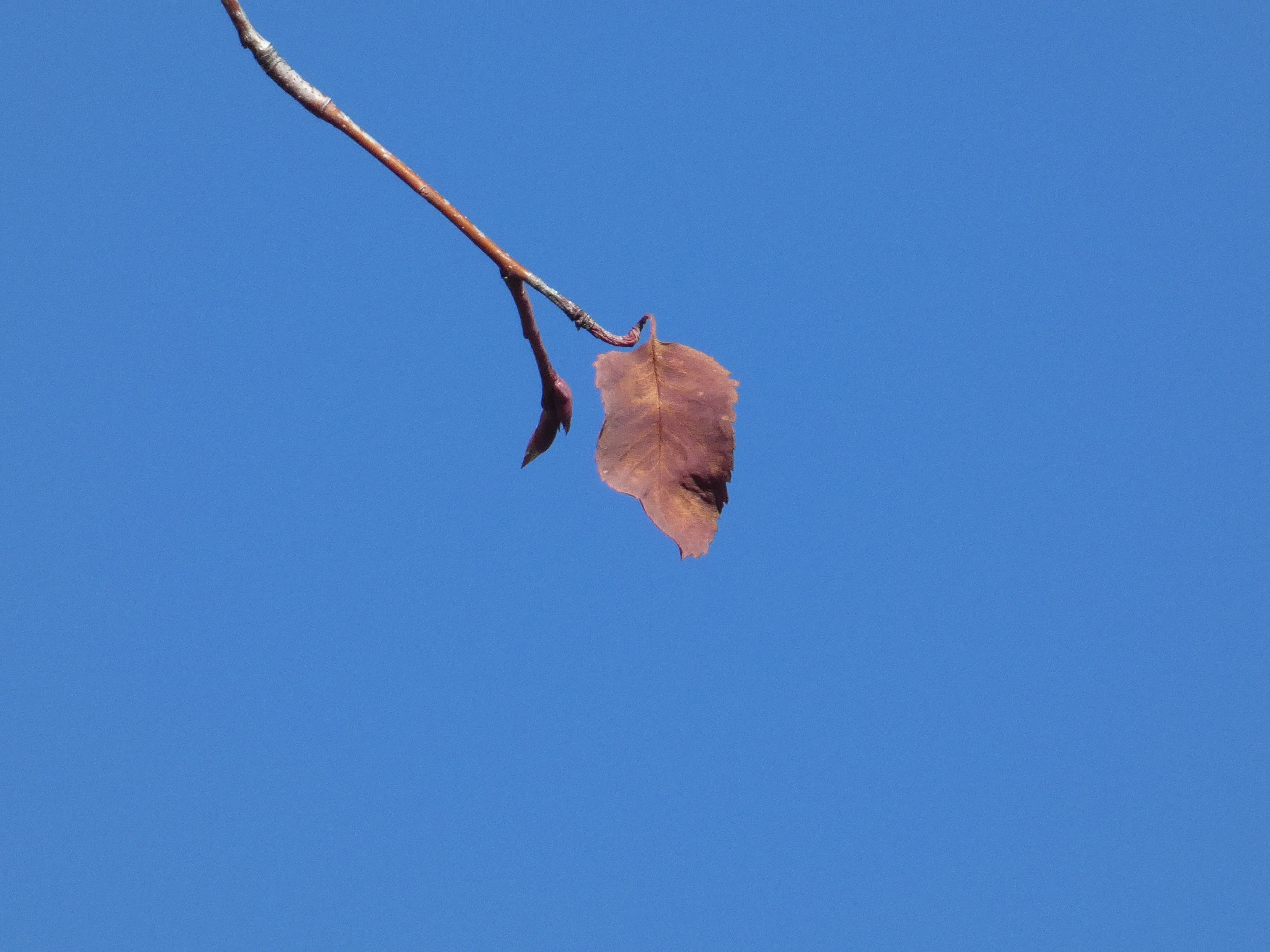
December / Eye of the Beholder! This one was one photo, your best shot, in the eye of the beholder. lol. Here’s my picture:

I hope you enjoyed this trip through the year’s photo contest (from me). Really fun but quite challenging!

James

Read Full Post »

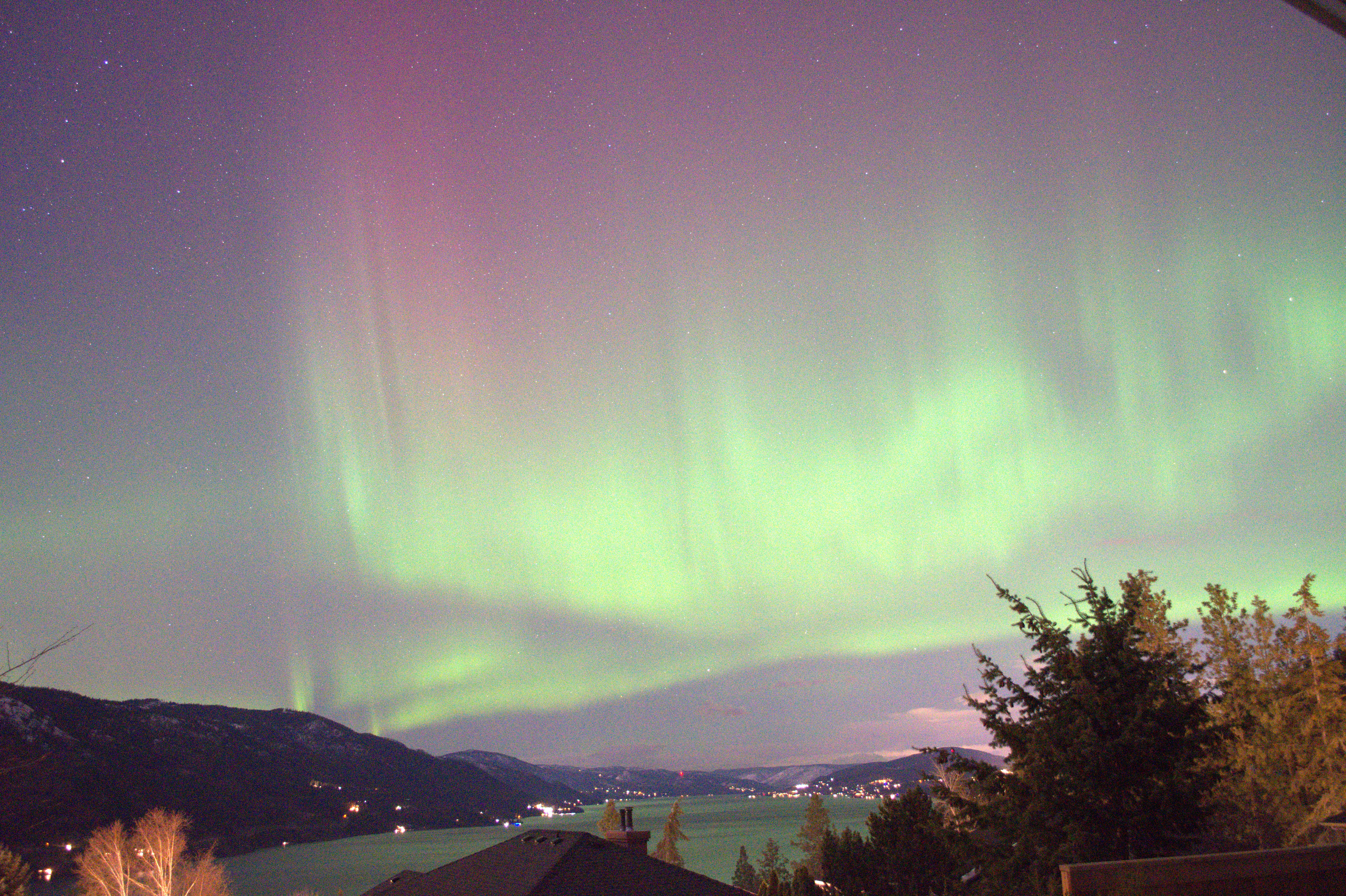
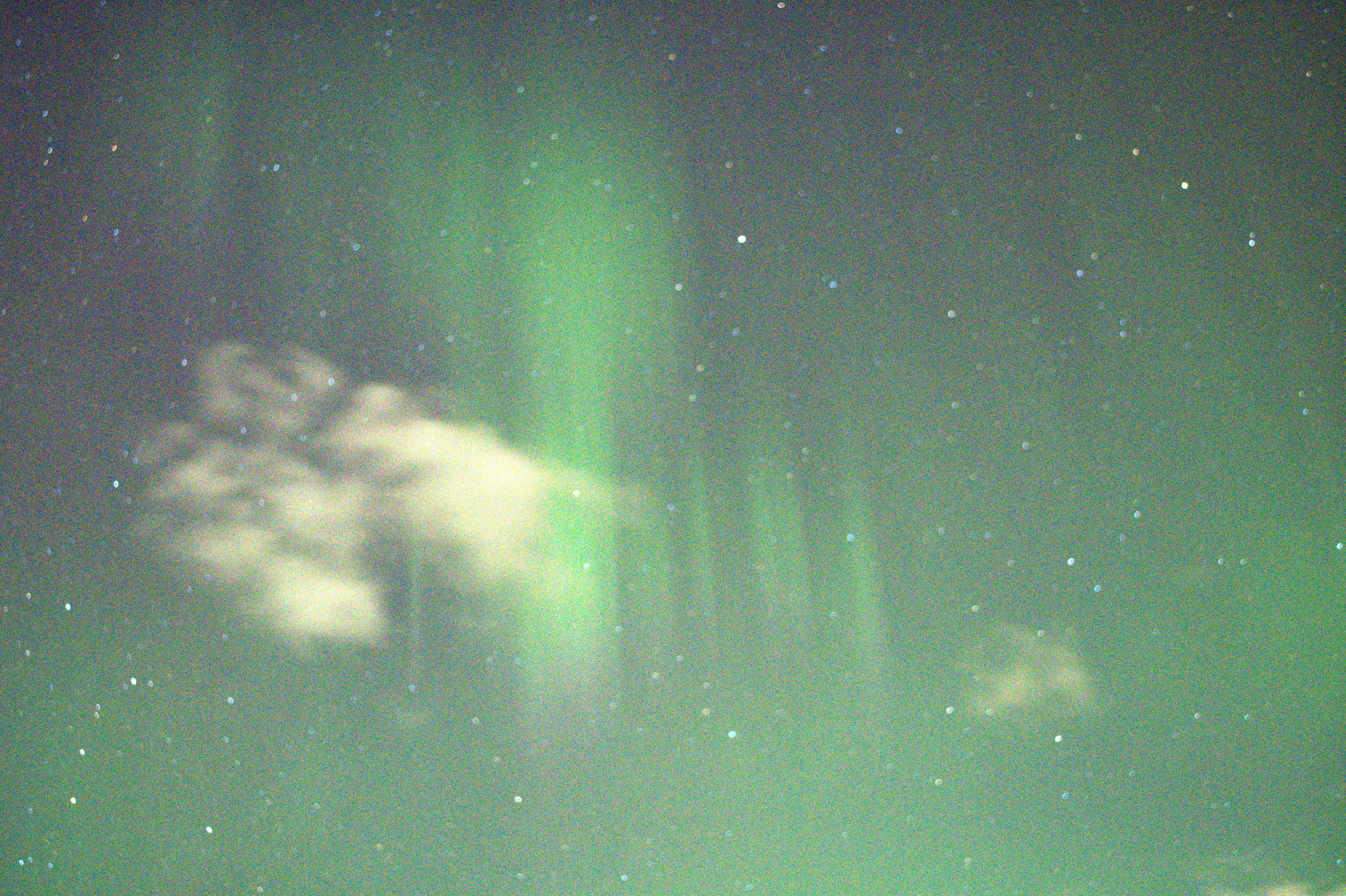
Since my last Night Photography post, I’ve taken a few more shots. Here are some images I took in the last couple of years (keep in mind that these are multiple images/stacked). When shooting at night, multiple factors come into play in capturing a good photo. To describe those factors is not the purpose of this post. The purpose is to simply put photos up there for you to enjoy. haha.

The Milky Way — I was at a dark sky area and captured these images. 

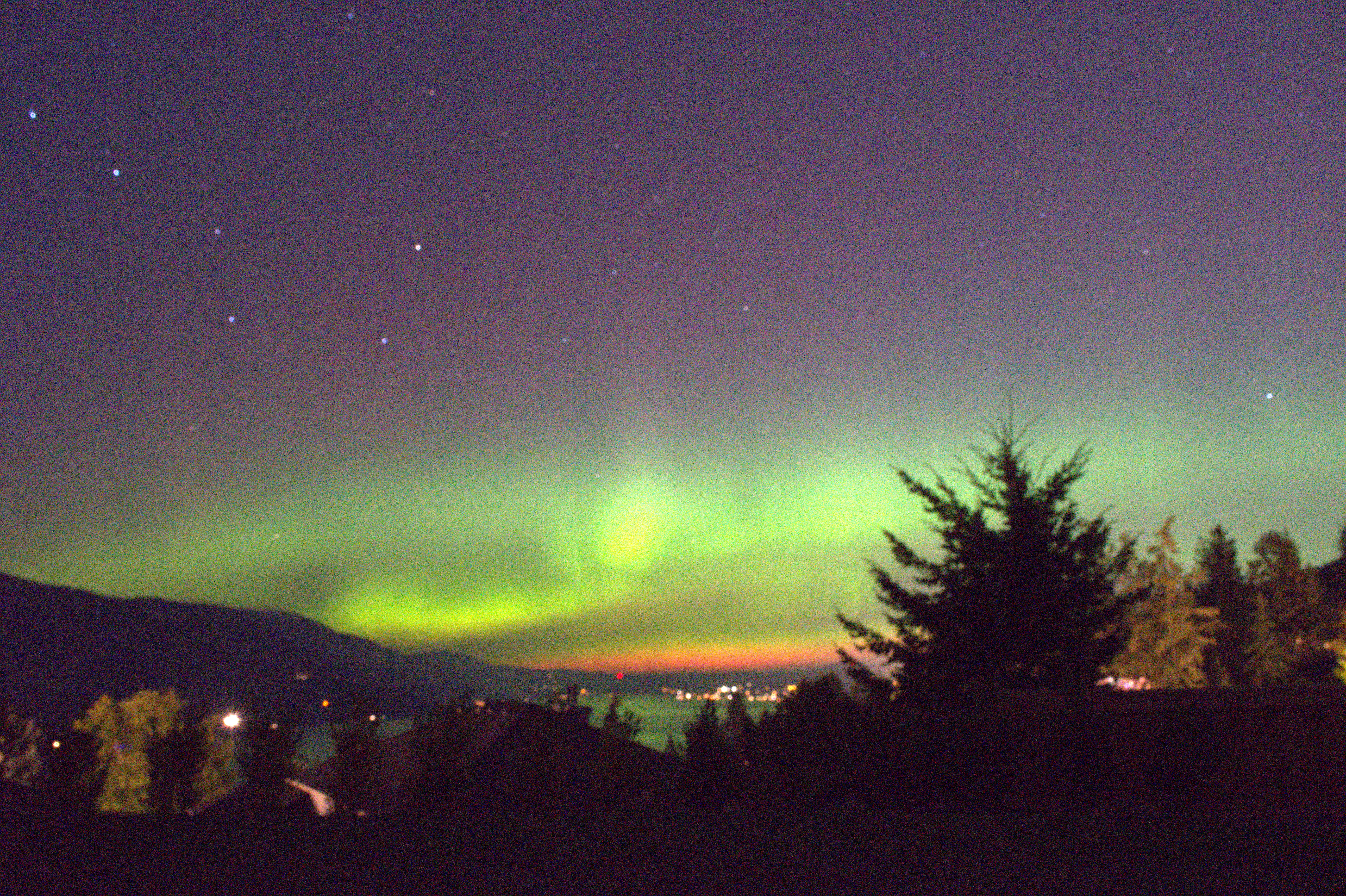
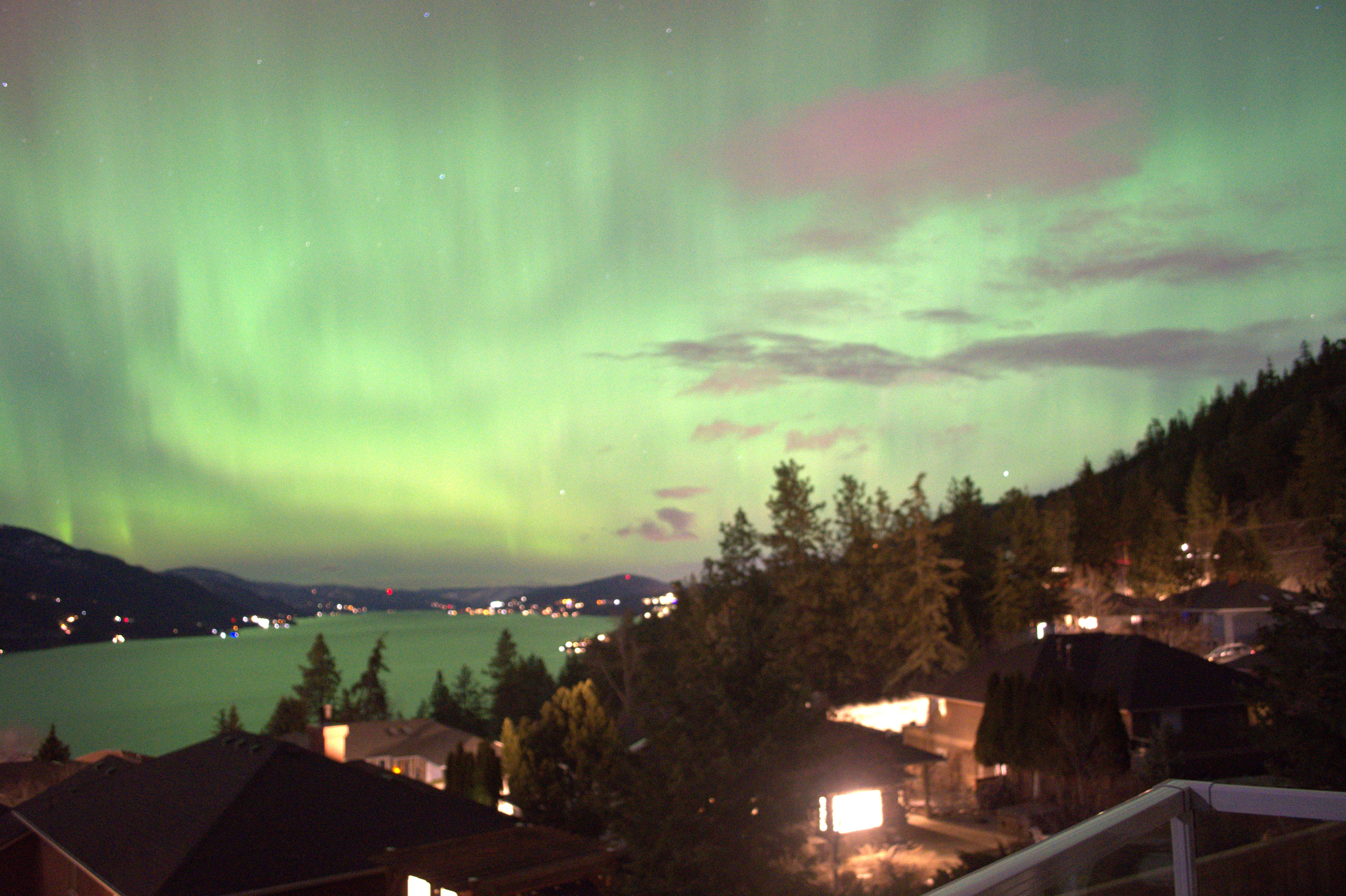
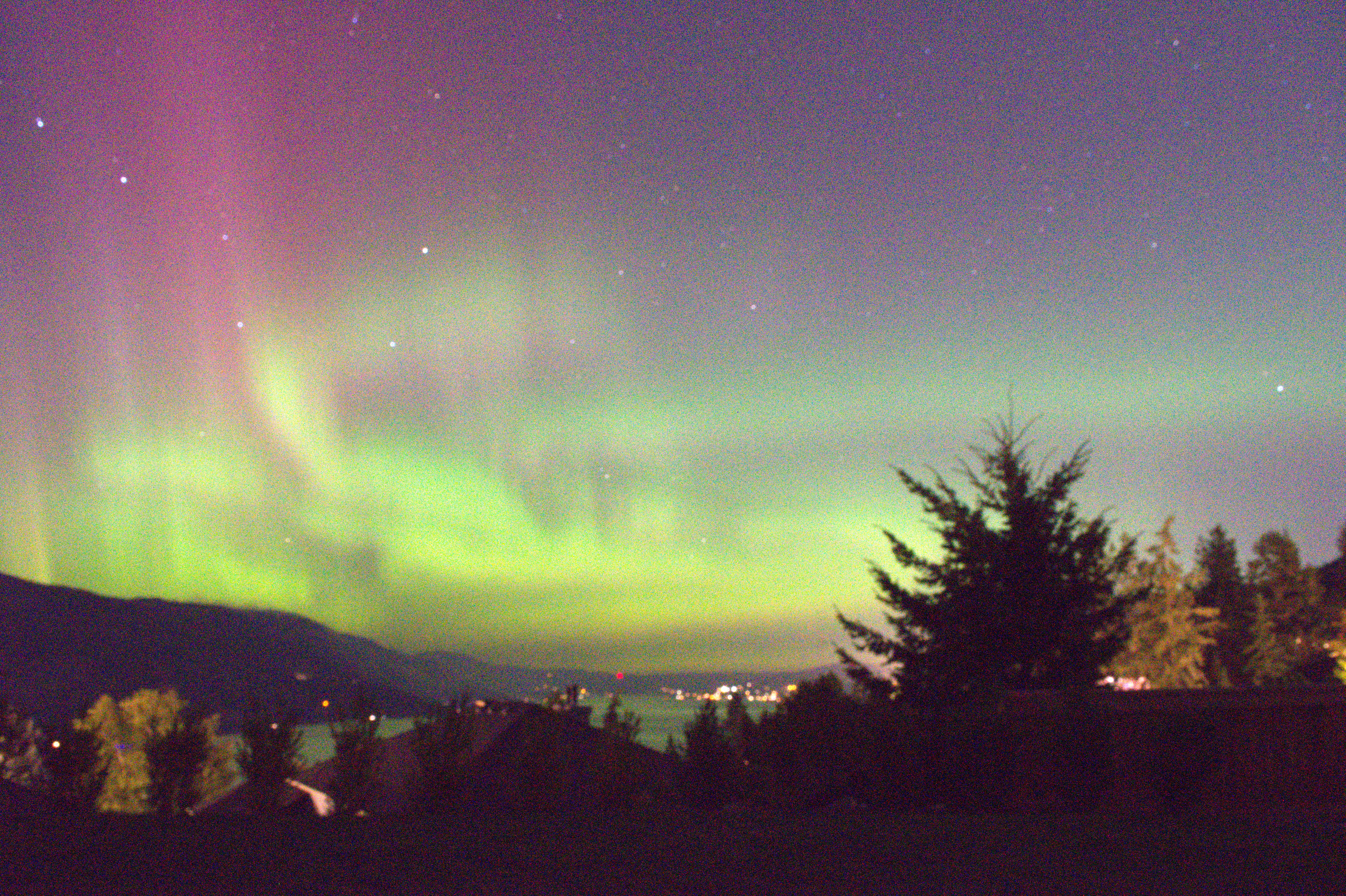
The Aurora Borealis – This last year (2023), we had two really good viewing nights. Here are some images I captured (I think from February and September):

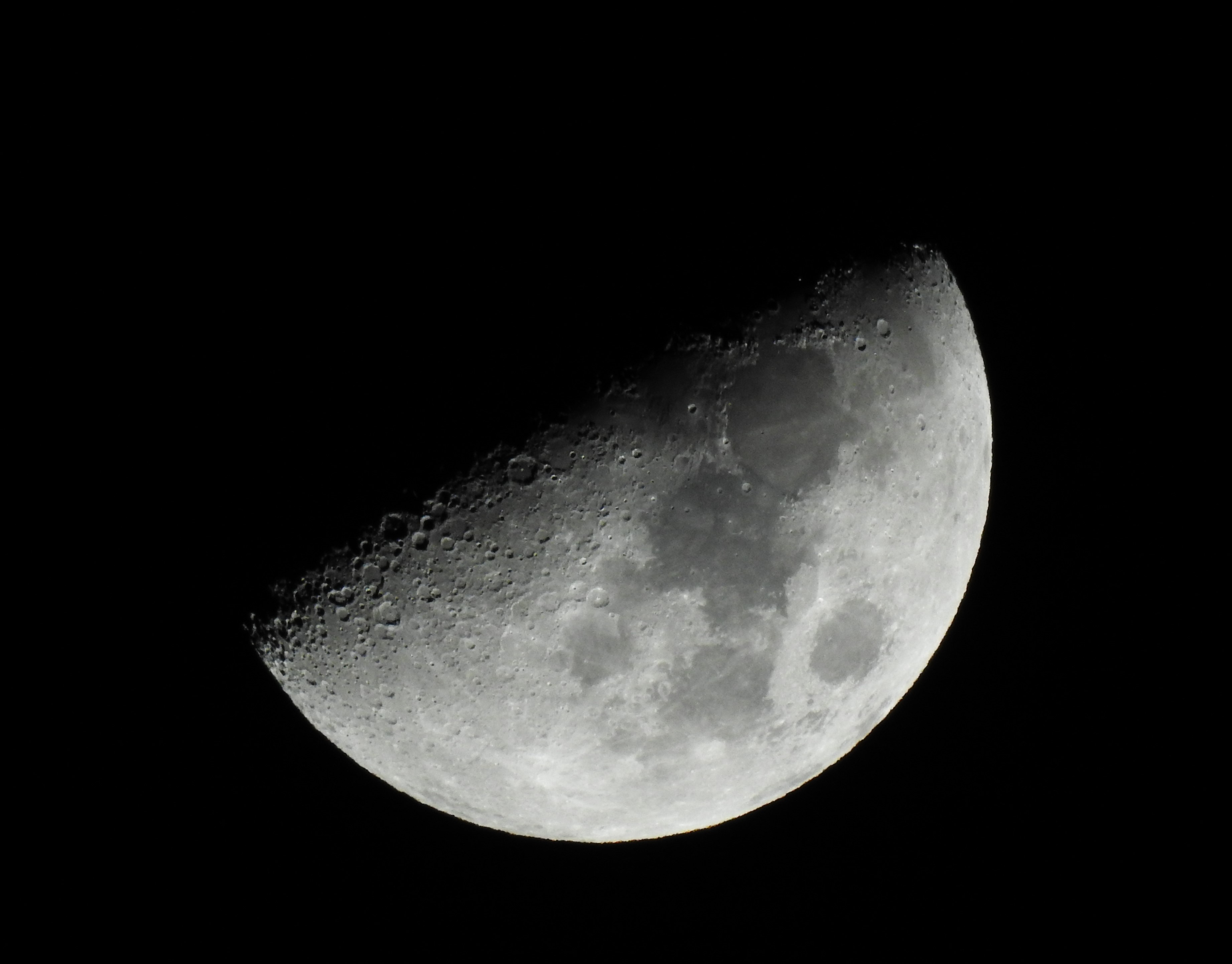
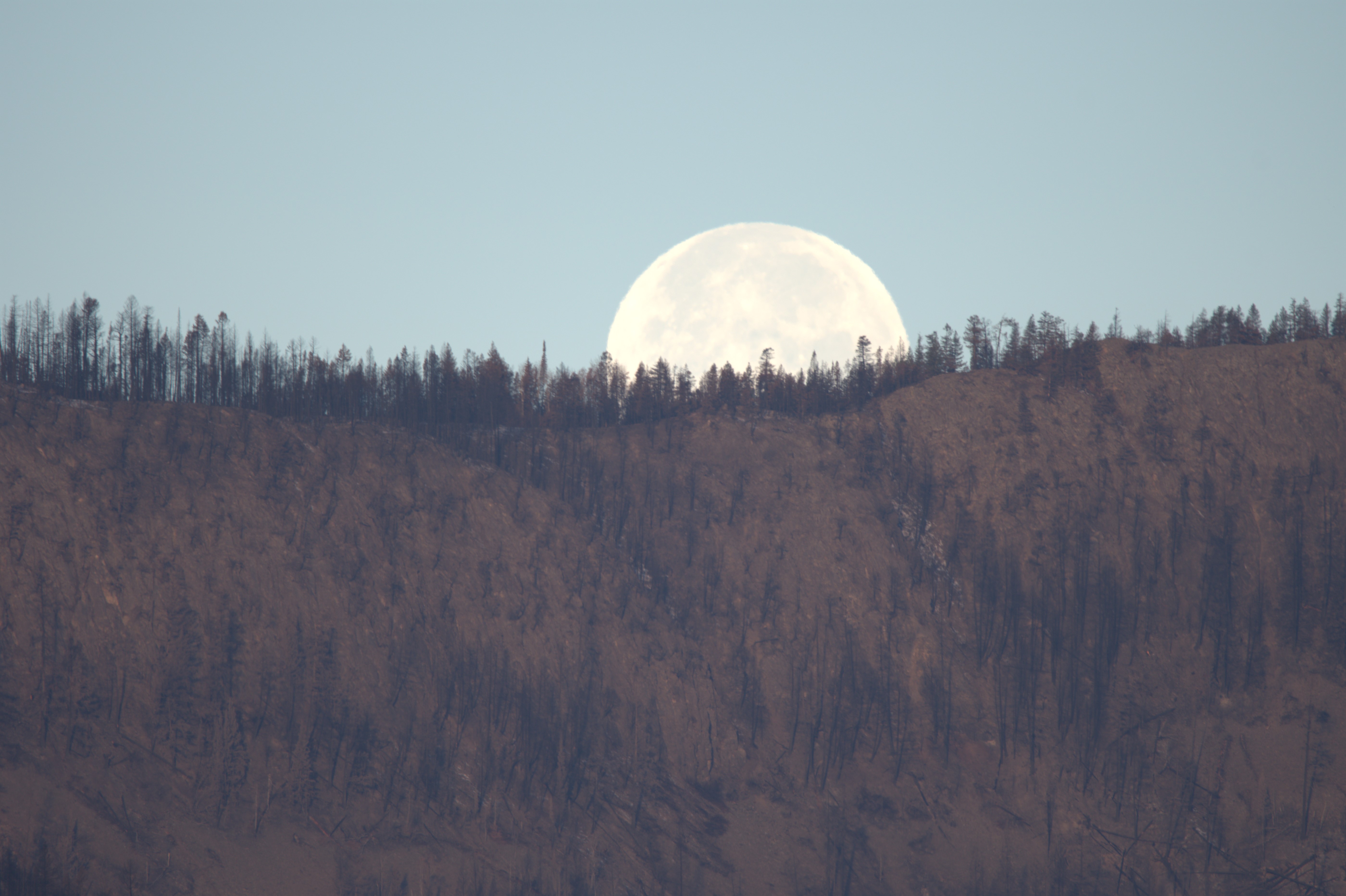
The Moon — Here are a couple of shots I took of the moon in 2023 …

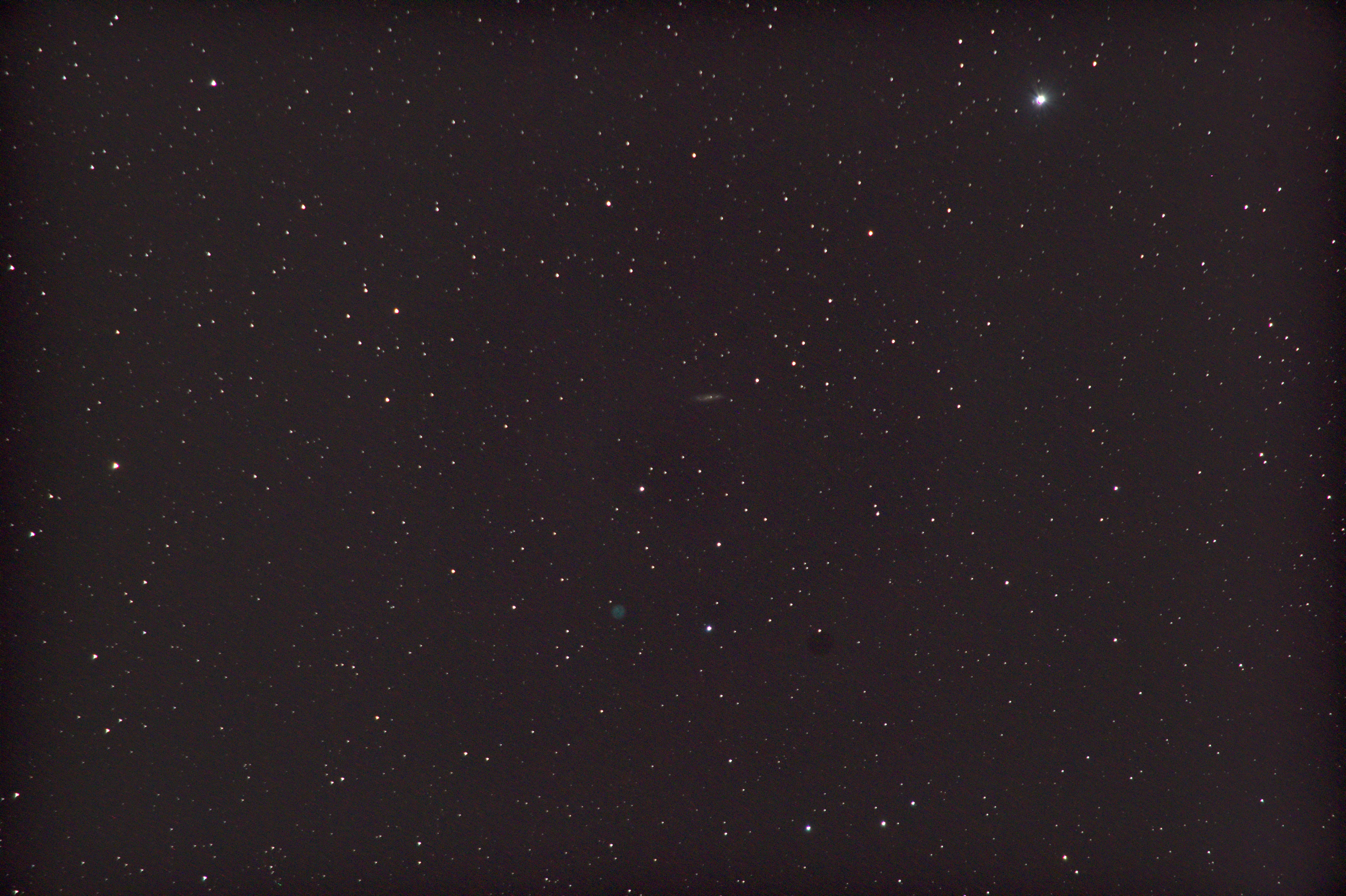
Messier Objects – So, I’m trying to learn to take images of Galaxies/Etc … Here’s my first one and second attempts: 1) Orion’s Nebula, and 2) Owl Nebula (You gotta really look close … lol)

The Owl Nebula is the blue circle in the lower middle section of this image. The “Cigar Nebula” is above it and to the right. The very bright star in this image is the lower right star in The Big Dipper (Merak). I will be attempting to take a better image of these Nebulae … haha. 

Enjoy!

Stumblingpiper
Read Full Post »

Simply Beer
Random thoughts on beer ... and brewing.
Beer Mentor

A simple exploration of beer ...

AJ's Eco Journey

Bird lover, Nature Guide, Loving Life!

One Year From Avalon

My sort of life away from home

The Every Man

the_traveling_poet