If you read this blog, you may, or may not, be able to tell that I’m fascinated by science. Especially the application of science and what kind of experiments I can do to experience this application. This fascination is the reason I love bird-watching and brewing beer, etc.
One of those applications I really like is how we try to understand our world and solar system. For instance, man has tracked the the changing seasons for countless years–and they use mathematical principles and precise observations to track them.
I’m talking about he Winter and Summer Solstices and the Fall (Autumnal) and Spring (Vernal) Equinoxes. The Solstices mark the shortest and longest days of the year, while the equinoxes mark those times exactly in-between the solstices–meaning day/night are roughly the same length, and the sun rises directly in the West on these dates. Here’s a chart from Equinox World for reference.
What my wife and I decided to do was to figure out a place in our yard where we could track these changes each year — just for the experience of observation. Two and a half years ago we put up a fence with a gate that afforded us the perfect opportunity for tracking this!
The way we installed the gate allowed us to see the shadow cast by the post from the sun on the appropriate days and at the right time. Here’s a picture of it as an example:
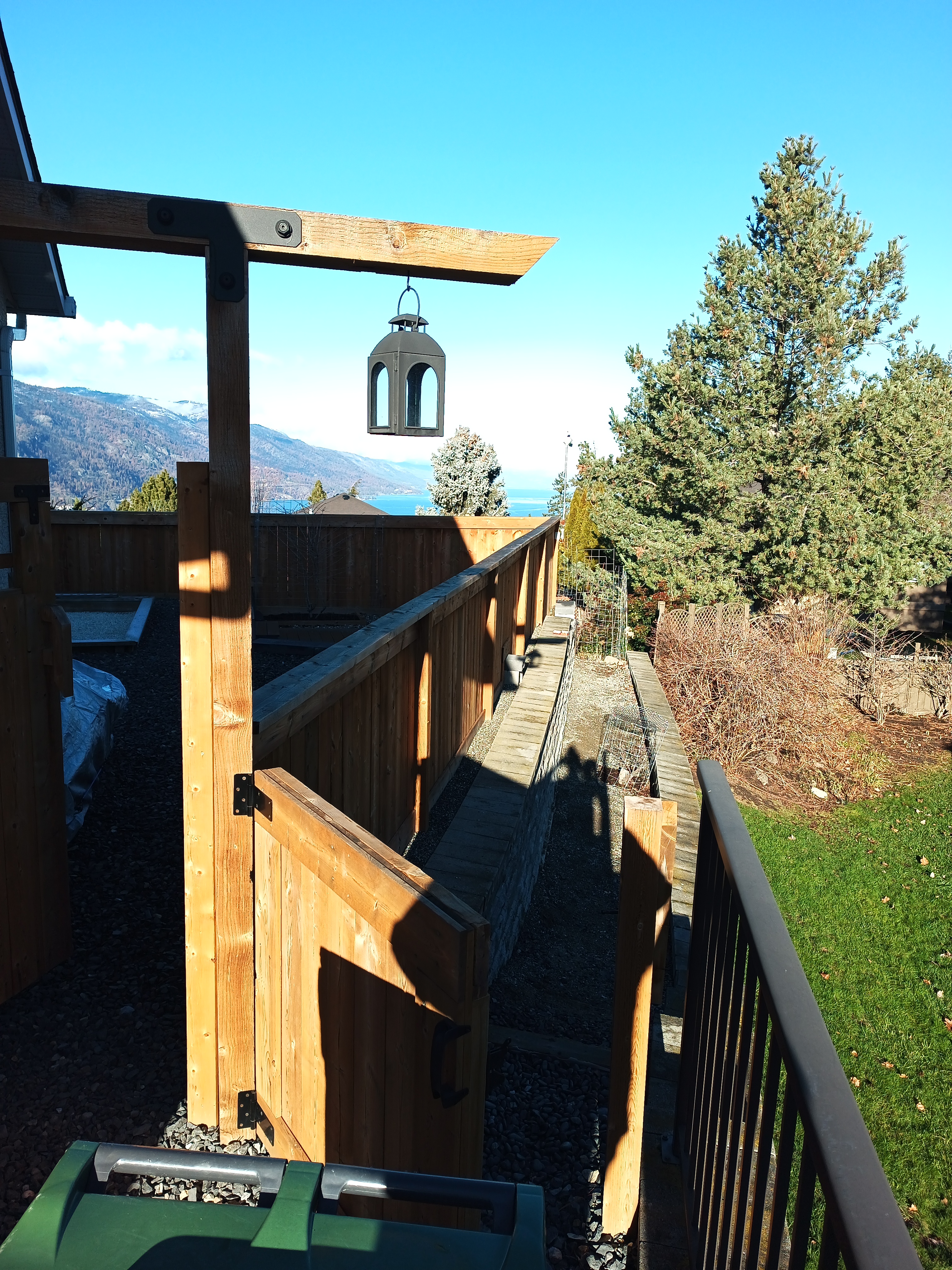
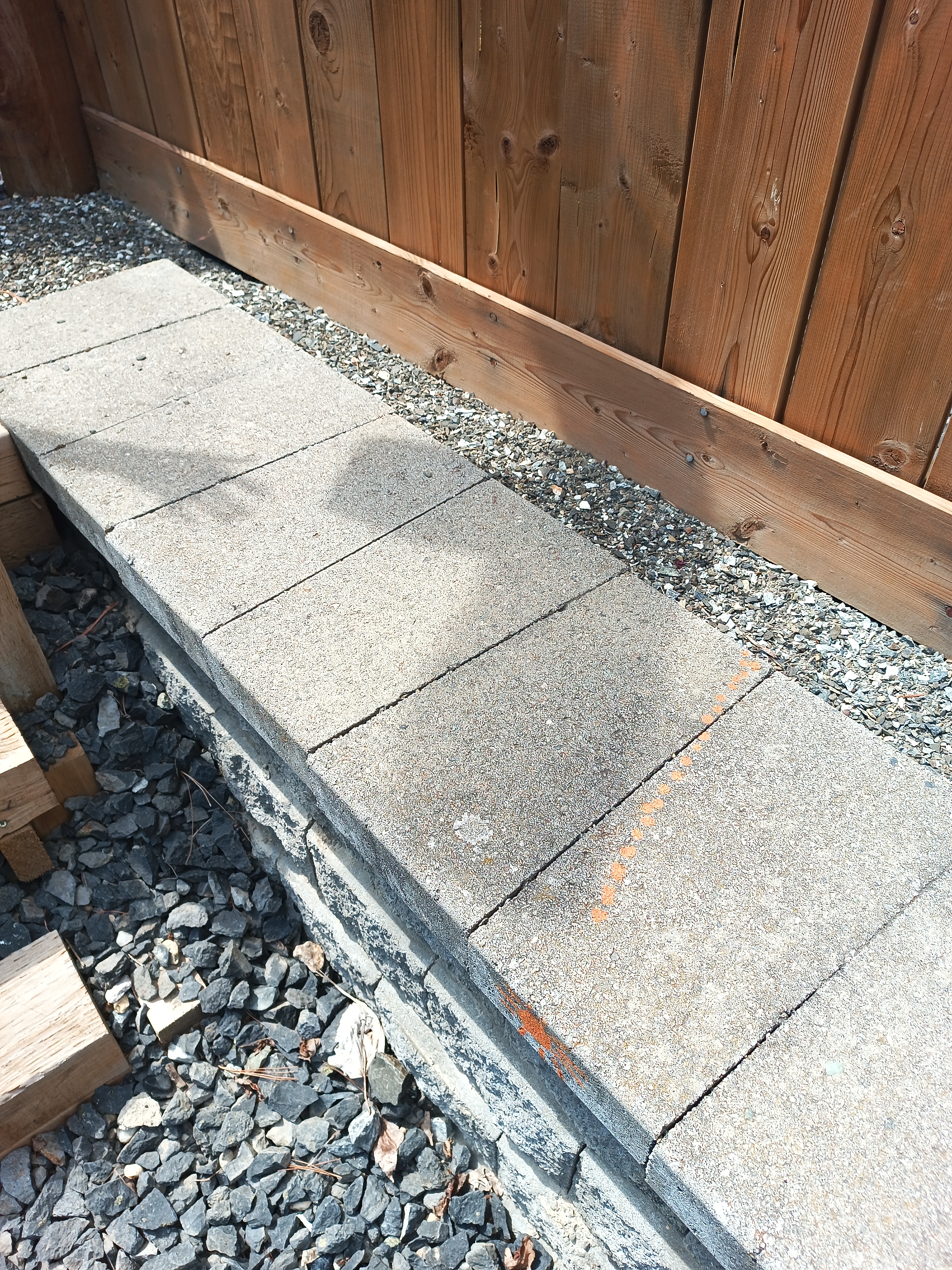
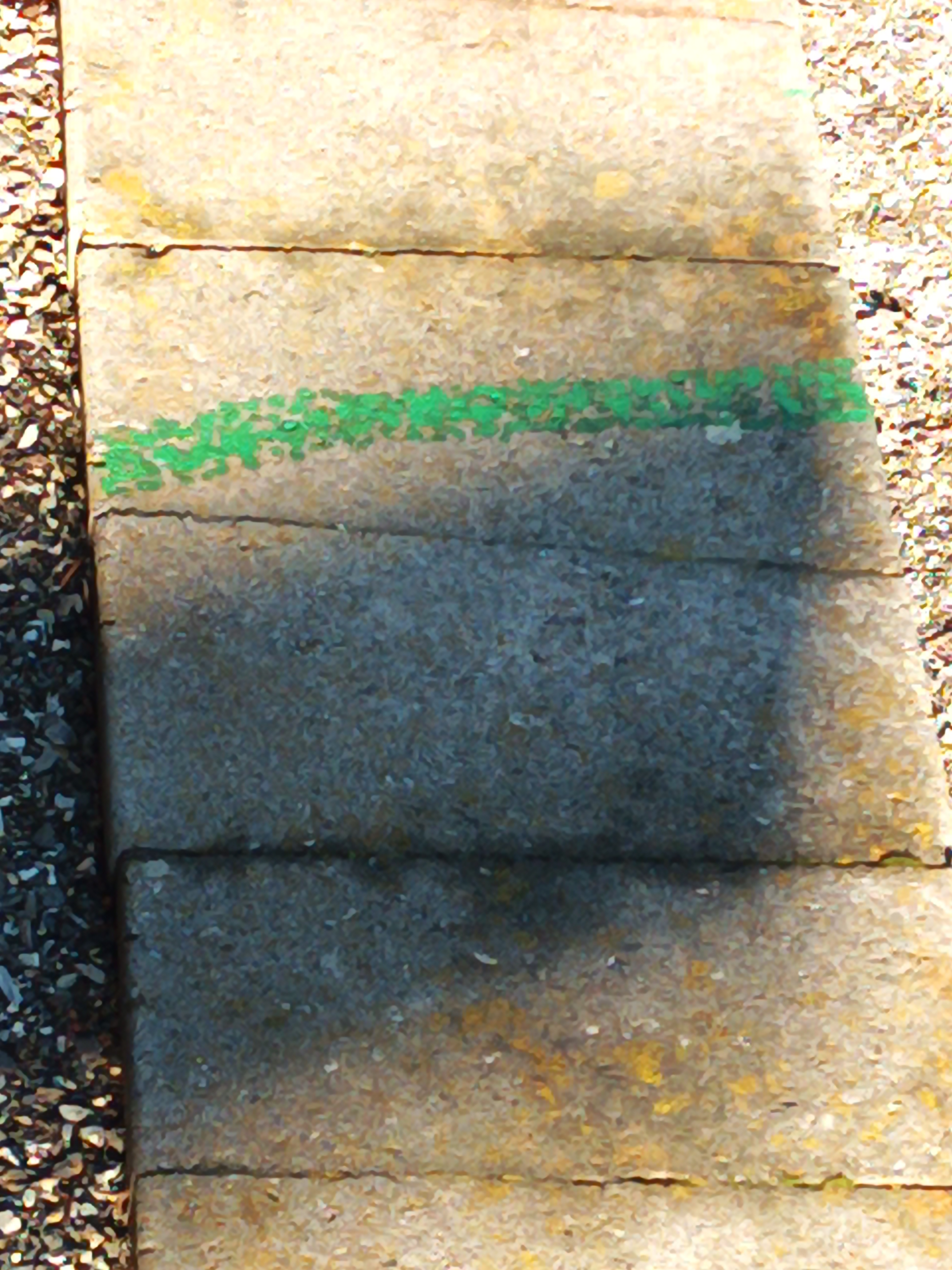
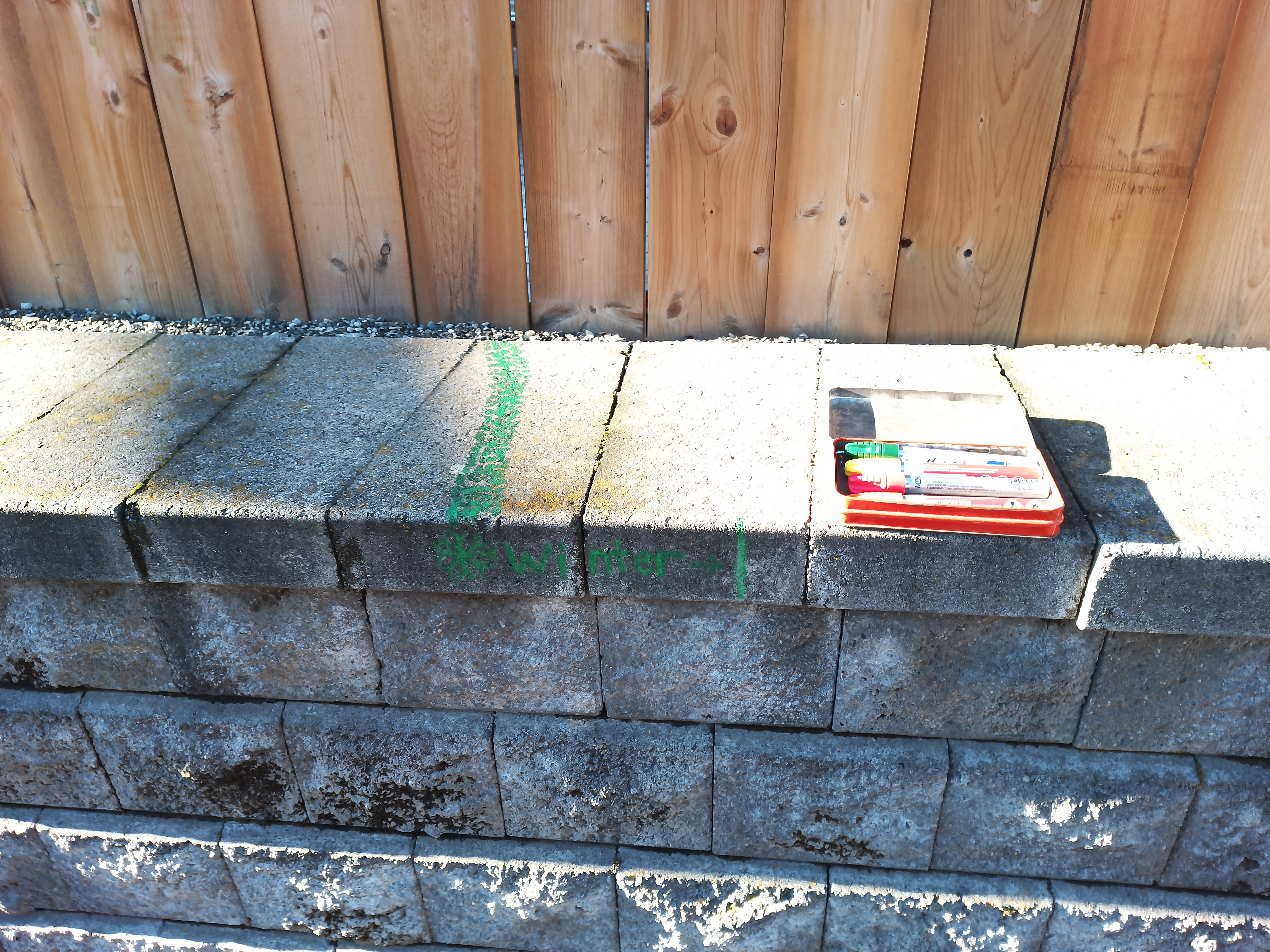
The extension with the “lantern” is what casts the shadow on the wall behind – you can see the shadow if you look closely in the image. With this in mind, I’ve attempted the last two and half years to mark the spot through observation. Here are three images that show the soltice’s locations (and the two equinoxes):
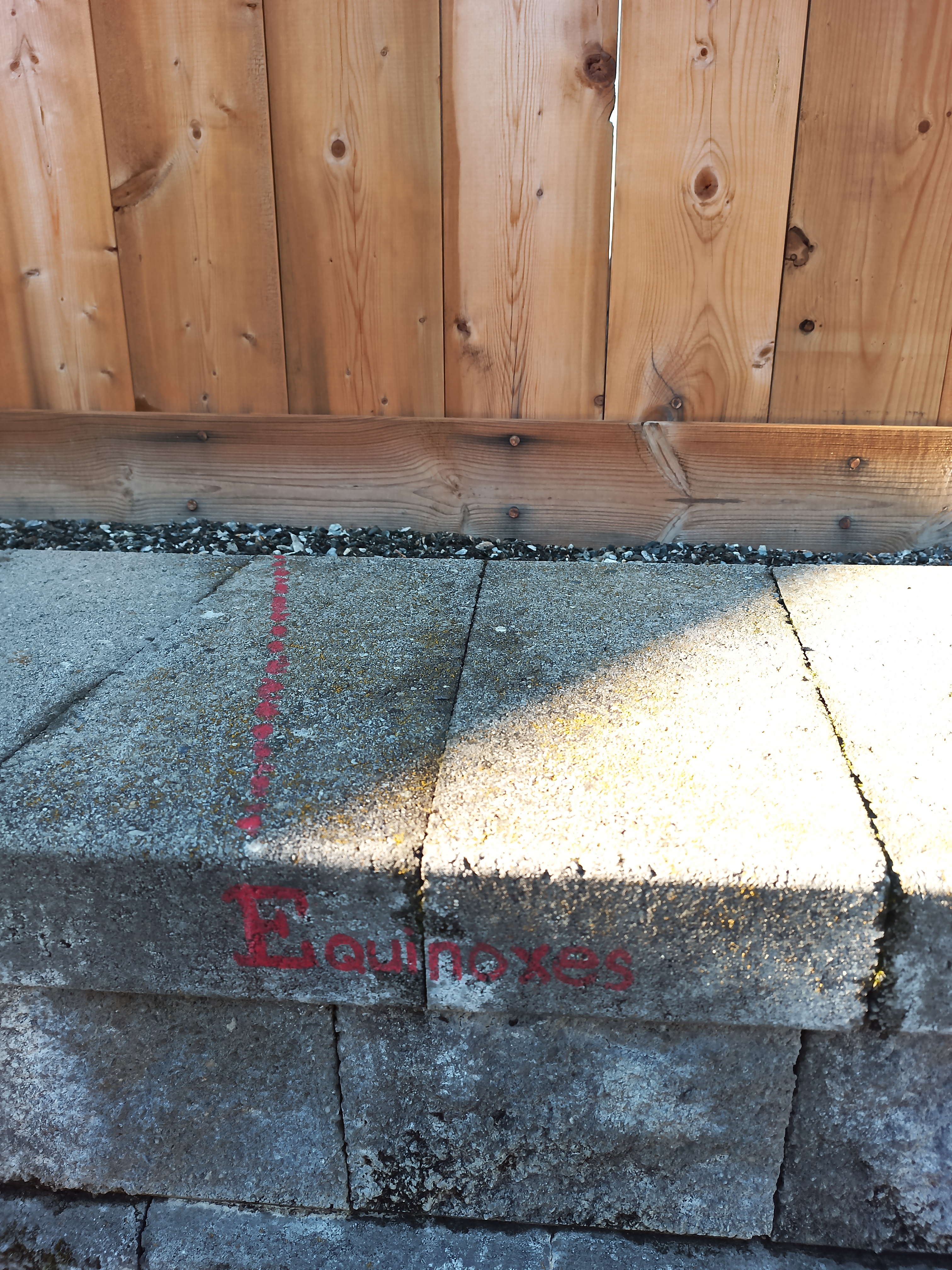
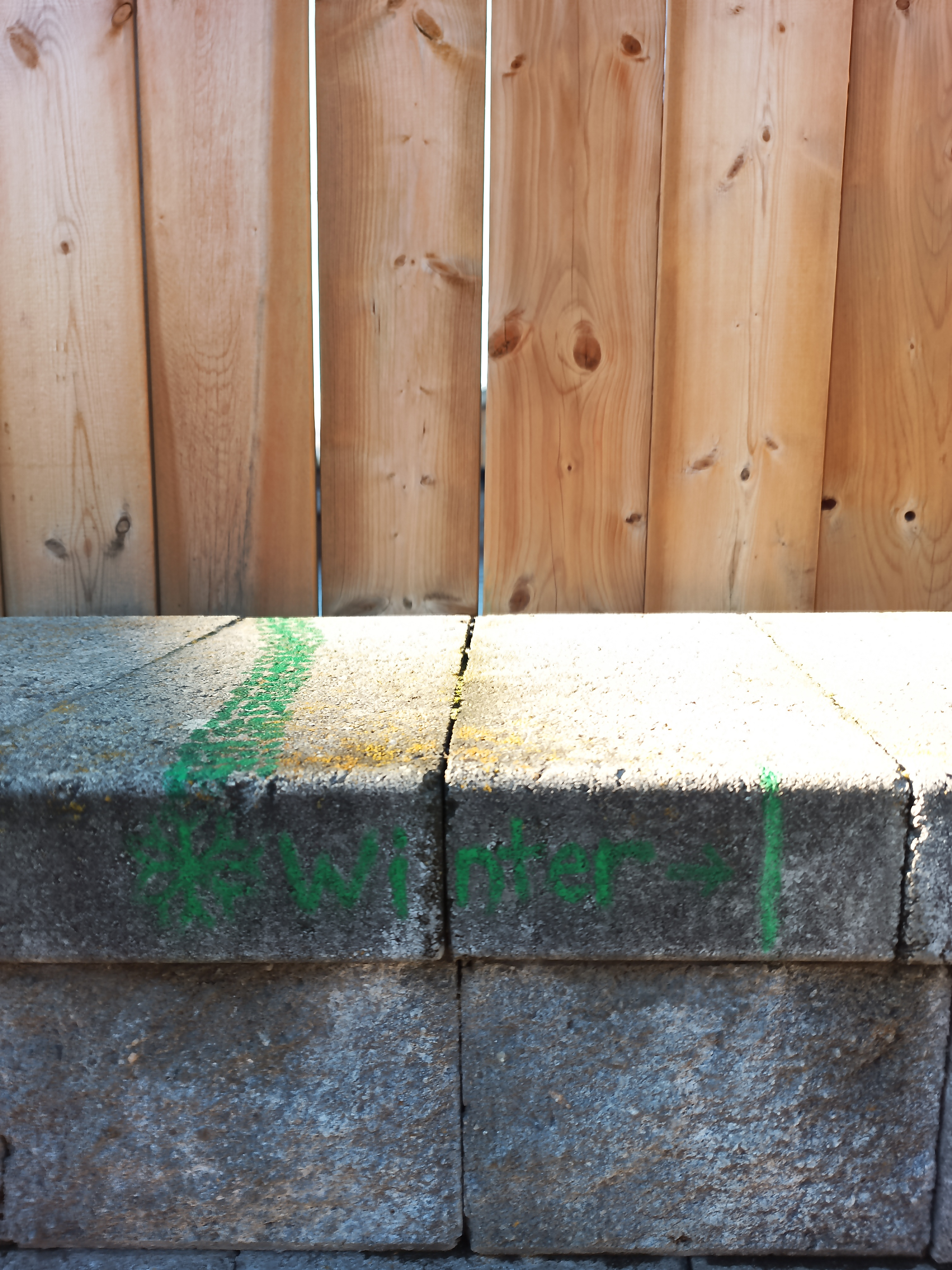
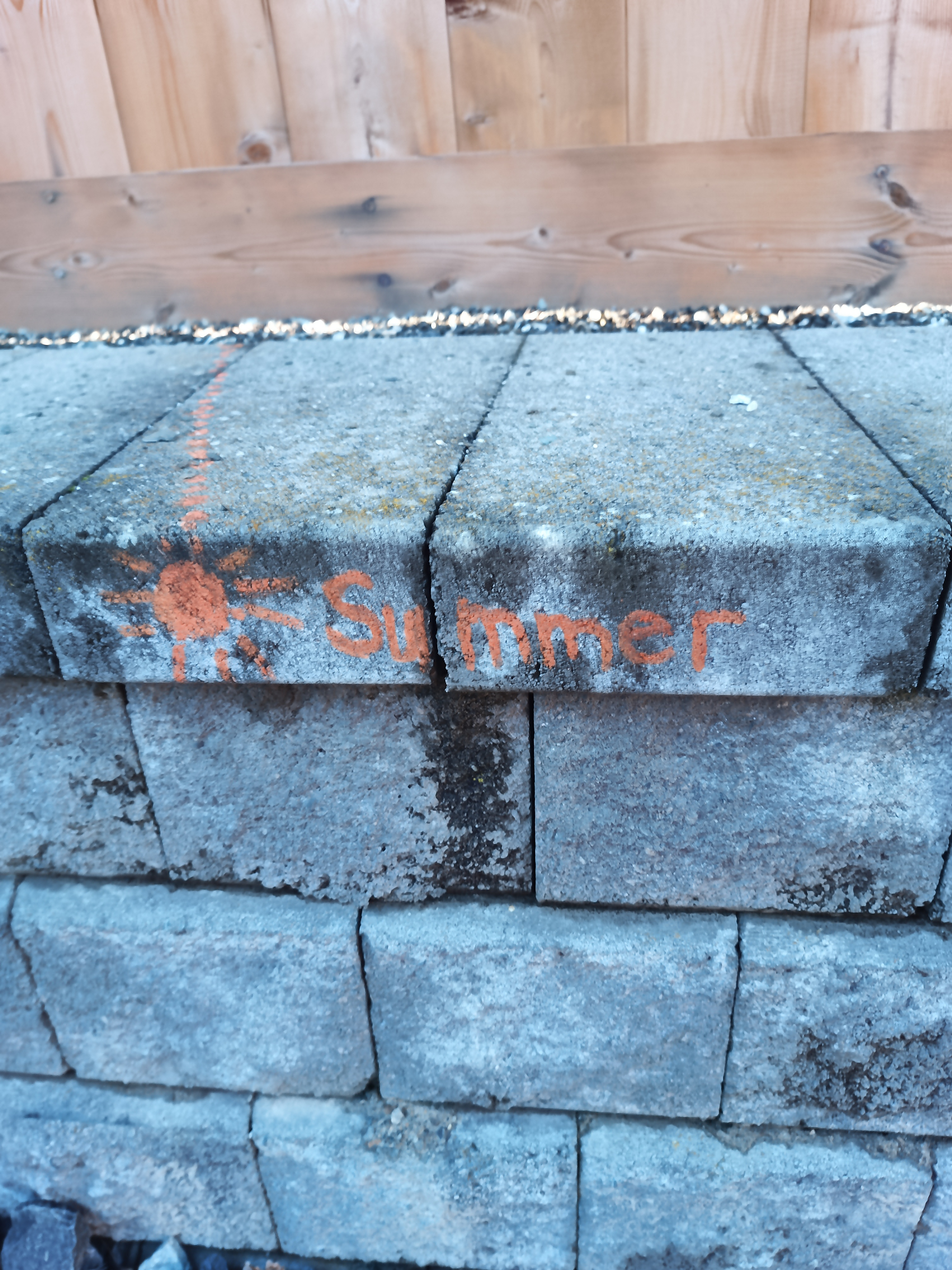
Interestingly, I did use the correct measurements to calculate these positions mathematically, and they ended up being in these exact locations! I love math. haha. You can see that “Winter’s” line is thicker — i found that the farther you are away from the object casting the shadow, the more vague the shadow edge tends to be. We both had to work at observing and marking — making it quite difficult to pinpoint. This makes me truly realize the precision of Stonehenge, the Pyramids, and the Aztec/Mayan ruins. Incredible.
Here is a set of pictures looking back to the post to show how long the shadow is in winter and how short for summer, spring, and fall:
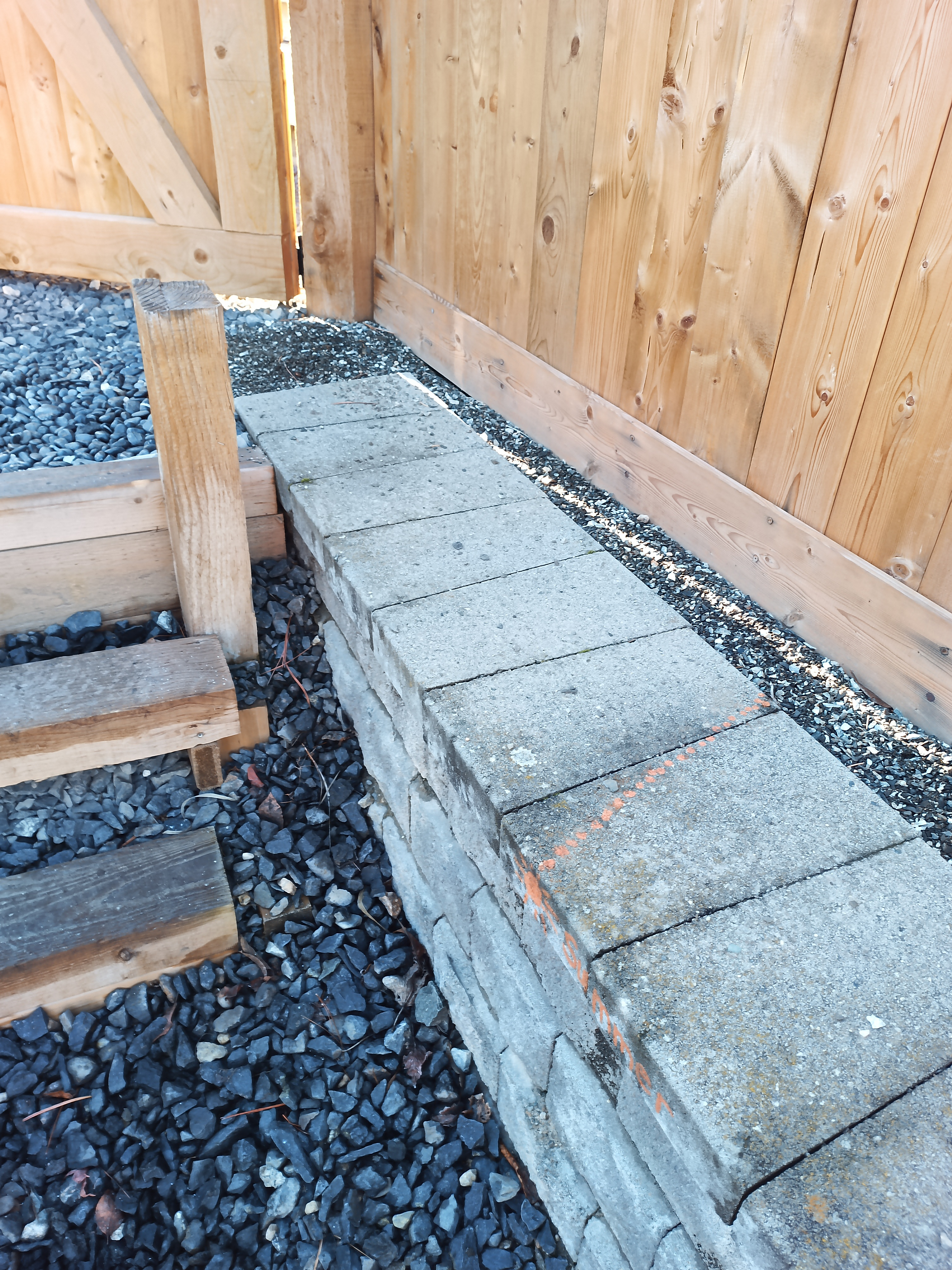
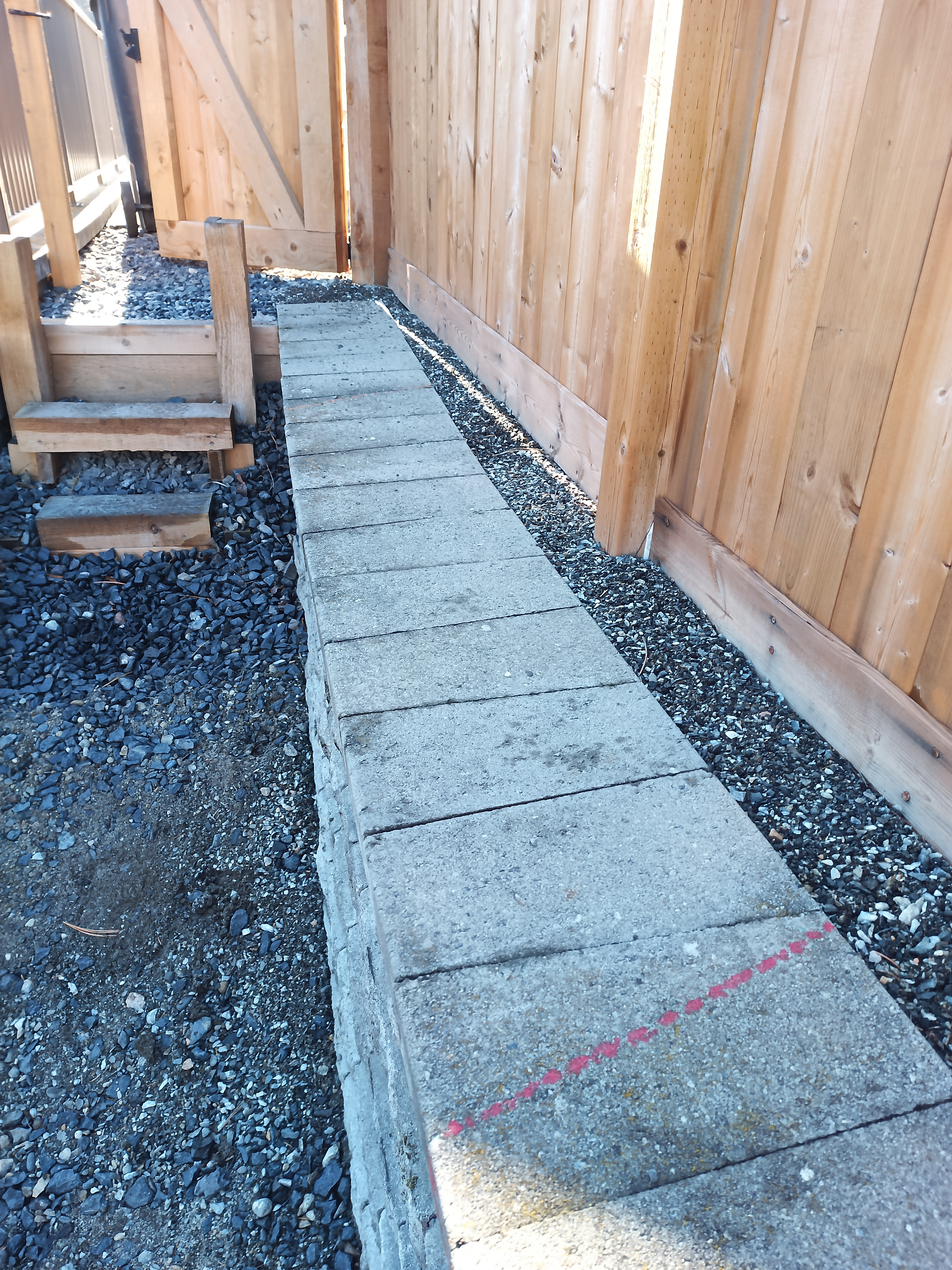
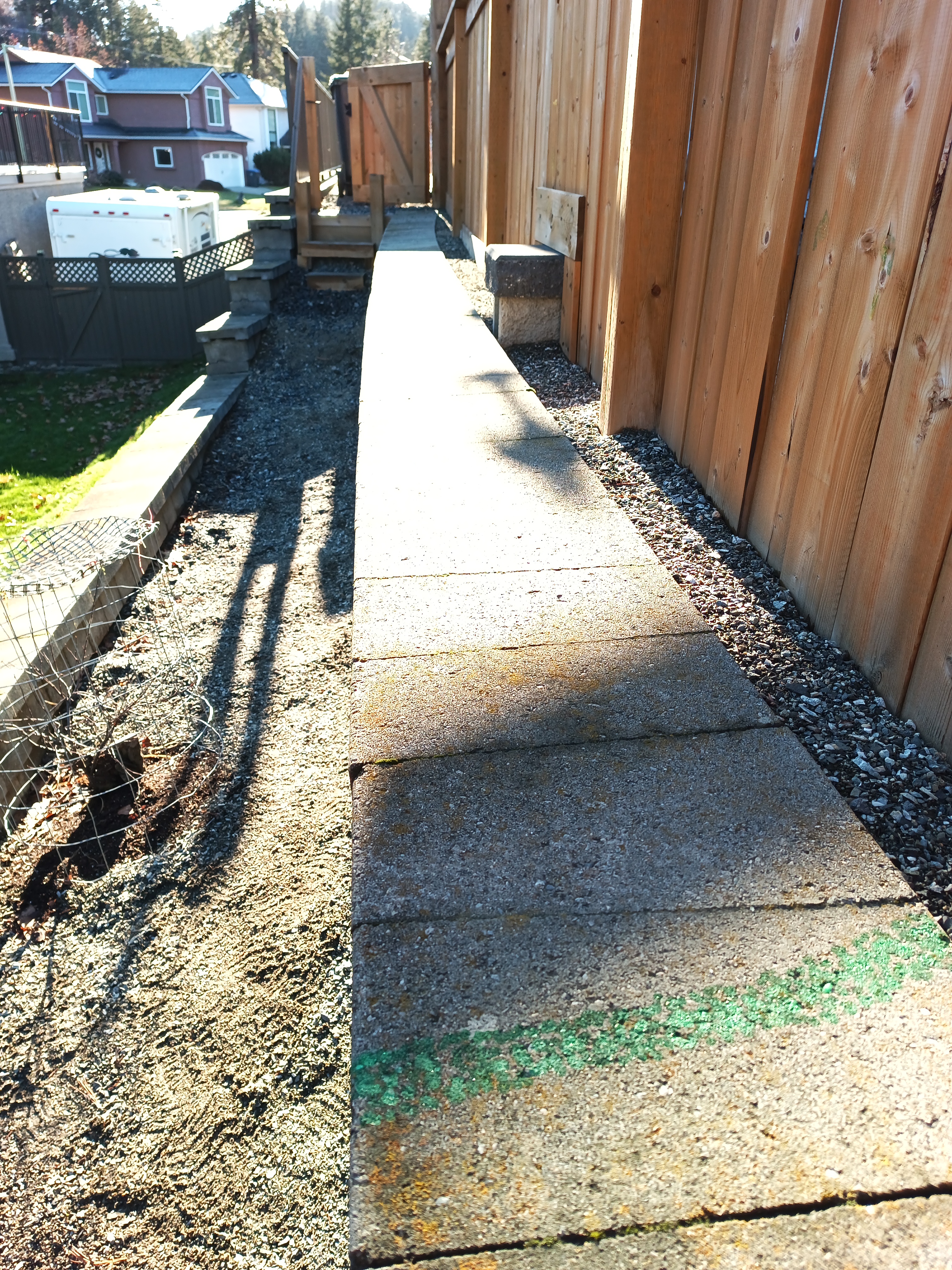
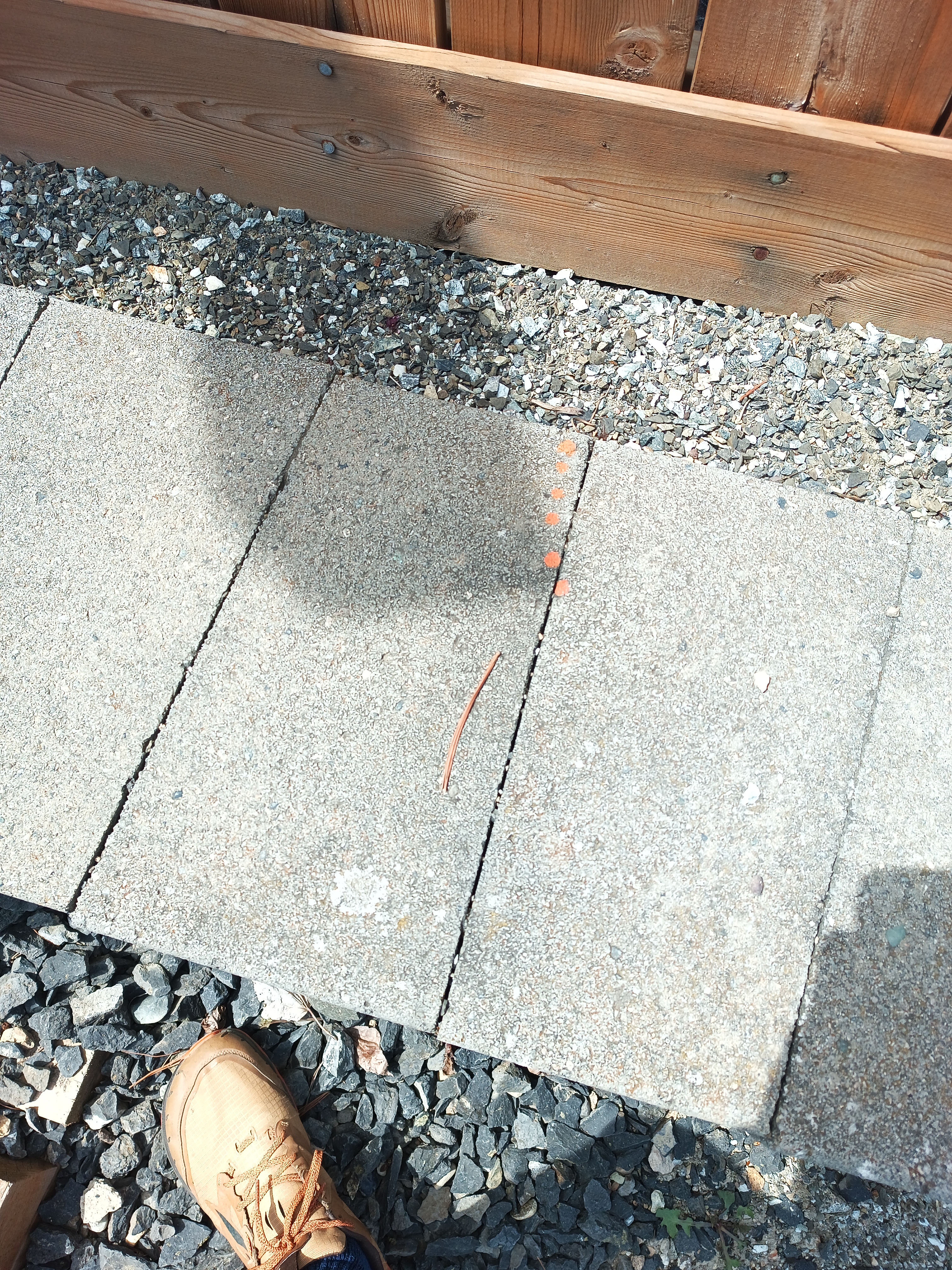
The orange line is summer solstice, the red line the equinoxes, and the green line is the winter solstice. Finally, here are a couple of pictures showing my effort to mark the lines as the sun passes the mark … you can see it in the green photo line above. On the two days I had sun (close to the actual time/date):
It was a fun experiment and one I can enjoy every year — now I just need my post to stay level. haha. I hope you enjoy this!
Stumblingpiper

 Stumblingpiper